


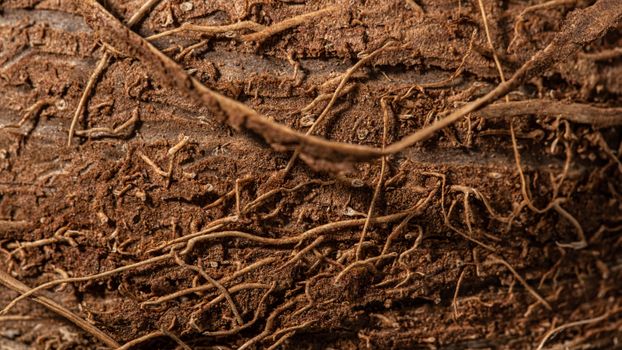
A single acre of switchgrass can absorb up to 300 pounds of nitrogen, 30 pounds of phosphorus, and significant amounts of cadmium, lead, and zinc from contaminated water and soil. For landscape contractors and municipal engineers designing retention ponds, this native grass offers a biological filtration system that operates without pumps, chemicals, or costly media replacements. Heavy metal switchgrass for retention ponds is not a theoretical concept. It is a field-tested strategy that combines stormwater management with on-site pollution control. Panicum virgatum, commonly called switchgrass, has a root system that reaches 10 to 12 feet deep in its second growing season. That deep root mass creates a permanent sponge beneath the pond liner, capturing dissolved metals before they migrate into groundwater. At the same time, the above-ground biomass accumulates heavy metals through a natural process called bioaccumulation, locking contaminants into plant tissue that can be harvested and removed from the site. This approach turns a maintenance obligation into a remediation asset.
What Makes Switchgrass a Heavy Metal Hyperaccumulator
Switchgrass does not merely tolerate heavy metals. It actively takes them up from soil and water. Research at universities across the United States has documented that Panicum virgatum accumulates cadmium, chromium, copper, lead, nickel, and zinc at concentrations far above the levels found in the surrounding environment. This property classifies it among the most effective heavy metal tolerant plants for wet and moderately wet sites. The mechanism is a combination of root exudation and active transport. Switchgrass roots release organic acids that solubilize metal ions bound to soil particles, making them available for uptake. Once inside the plant, metals are sequestered in vacuoles or bound to cell walls, preventing toxicity to the plant itself. This process is a form of phytoremediation. It uses living plants to clean contaminated media. Unlike some hyperaccumulator species that grow slowly and produce little biomass, switchgrass generates 8 to 12 tons of dry biomass per acre annually. That high biomass production means more metal removal per acre per year.
For retention ponds receiving runoff from industrial sites, parking lots, or agricultural fields, the ability to handle mixed metal loads is critical. Switchgrass has been shown to reduce lead concentrations in soil by 40 to 60 percent within three growing seasons. It performs similarly for zinc and copper, making it a practical choice for sites where total metal contamination is moderate to high.
How Switchgrass Works in Retention Pond Systems
Retention ponds are designed to hold a permanent pool of water while slowly releasing stormwater runoff. In a conventional pond, heavy metals settle into the sediment and accumulate over time, eventually requiring dredging and off-site disposal. By incorporating switchgrass along the pond perimeter, in shallow shelves, and in the inflow zone, the vegetation intercepts metals before they reach the permanent pool. This design aligns closely with the principles of constructed wetlands, where emergent plants, water depth, and flow paths are engineered to maximize treatment. Switchgrass fills the role of a surface-flow wetland plant that thrives in saturated soils but can also tolerate periods of drying. This is a common condition in retention ponds during dry weather or drawdown events. When planted in combination with sedges and rushes, switchgrass forms a dense vegetative filter strip that slows runoff, traps sediment, and allows plant roots to absorb dissolved metals.

The planting configuration matters. Contractors should place switchgrass in bands 6 to 10 feet wide along the pond perimeter at elevations between the normal water level and the high-water mark. This transition zone, often called the riparian buffer, is where most metal-binding occurs. The grass spreads through rhizomes, filling gaps over time and creating a living filter that thickens each year.
Key Benefits for Stormwater Management and Erosion Control
Beyond metal removal, switchgrass provides measurable benefits for overall pond performance. The deep root system holds soil in place along slopes and banks, reducing erosion and sedimentation that would otherwise degrade pond capacity. In moderate to heavy rain events, switchgrass can reduce flow velocity by 50 to 70 percent, giving sediment and attached metals more time to settle. For stormwater management professionals, switchgrass offers three distinct advantages: – It tolerates both saturated and dry conditions, surviving pond drawdowns and seasonal fluctuations. – It requires no mowing after establishment, reducing long-term maintenance costs. – Its stiff, upright stems remain standing through winter, providing continuous filtration even when dormant. The same characteristics that make switchgrass effective for erosion control also support soil remediation in the pond basin itself. When sediment is periodically removed from the pond bottom, the surrounding switchgrass strips remain intact and continue treating incoming runoff. This separation of function, active treatment in the buffer and passive settling in the pond, extends the life of the pond and reduces the frequency of dredging.
Installation and Maintenance Best Practices
Switchgrass should be planted in early spring or late fall, using plugs spaced 18 to 24 inches apart in staggered rows. At Baker Environmental Nursery, we recommend using our plant calculator tool to estimate quantities for any pond shape or buffer width. For a typical half-acre retention pond with a 500-linear-foot perimeter, you will need approximately 800 to 1,000 plugs to create an effective 8-foot-wide buffer.

First-year weeds are the main challenge. A light mulch layer or a single herbicide application after planting will suppress competition until the grass fills in. By year two, switchgrass forms a dense stand that outcompetes most weeds. No fertilizer is needed. Switchgrass is adapted to low-nutrient conditions, and added nitrogen can actually reduce root growth and metal uptake. Harvesting is optional but recommended for maximum metal removal. Cut the grass in late fall after the first killing frost and remove the biomass from the site. This eliminates the metals accumulated during the growing season. This harvested material can be used for biomass energy, livestock bedding, or compost, provided that metal concentrations stay within safe limits. For most municipal retention ponds, lead and cadmium levels in switchgrass tissue remain well below thresholds for land application.
Comparison of Switchgrass with Other Native Grasses for Metal Uptake
|
Species |
Metal Uptake Potential |
Wet Tolerance |
Biomass Yield (dry tons/acre/yr) |
Erosion Control Rating |
|---|---|---|---|---|
|
Switchgrass (Panicum virgatum) |
High (Cd, Pb, Zn, Cu) |
Moderate-High |
8–12 |
Excellent |
|
Big Bluestem (Andropogon gerardii) |
Moderate (Pb, Zn) |
Moderate |
6–9 |
Good |
|
Indian Grass (Sorghastrum nutans) |
Moderate (Cd, Ni) |
Low-Moderate |
5–8 |
Good |
|
Eastern Gammagrass (Tripsacum dactyloides) |
Moderate-High (Zn, Cu) |
High |
9–13 |
Excellent |
For sites with high metal loads, switchgrass combined with native rushes and sedges in the deepest zone provides the most complete treatment. Our wholesale wetland plants catalog includes species that pair well with switchgrass in retention pond designs.
Why Choose Baker Environmental Nursery for Your Project
Contractors and municipalities need plants that arrive healthy, true to species, and on schedule. Baker Environmental Nursery supplies switchgrass as bare-root plugs and containerized plants, grown from regionally appropriate seed sources. Our contract growing service can produce large quantities to specification for projects of any scale, from small residential ponds to multi-acre stormwater facilities. We understand the challenges of retention pond construction. Tight timelines, variable weather, and the need for plants that establish quickly are all factors we address. Our switchgrass is field-tested in wetland conditions and shipped with detailed planting instructions. Whether you need 500 plugs for a buffer zone or 10,000 for a large constructed wetland system, we have the inventory and the expertise to deliver. Contact our team today to discuss your project specifications and request a quote for heavy metal switchgrass for retention ponds.
Frequently Asked Questions
Does switchgrass really remove heavy metals from water?
Yes. Switchgrass absorbs heavy metals through its roots and stores them in root and shoot tissue. Multiple studies confirm reductions of 40 to 60 percent for lead and zinc in contaminated soil and water within three growing seasons. The process is most effective when the grass is harvested annually to remove accumulated metals.
How deep do switchgrass roots grow?
In well-drained soils, switchgrass roots can reach 10 to 12 feet deep by the end of the second growing season. In compacted clay or saturated conditions typical of retention pond edges, roots typically reach 4 to 6 feet. Either depth is sufficient to intercept metals in the root zone.
Can switchgrass be used in constructed wetlands?
Yes. Switchgrass is well suited for surface-flow constructed wetlands where water levels fluctuate. It tolerates up to 4 inches of standing water for short periods and survives drought conditions. Many designers use it in the upper marsh zone of treatment wetlands for stormwater and industrial runoff.
What is the best time to plant switchgrass for retention ponds?
Early spring (March to May) is ideal for most climates. Fall planting (September to October) works in warmer regions where soil temperatures remain above 50°F for four weeks after planting. Avoid summer planting unless irrigation is available, as young plugs are sensitive to drought stress.
How long does it take for switchgrass to establish in a retention pond?
You will see visible growth in the first year, but full root development takes two to three seasons. Metal uptake increases significantly after year two. Initial erosion control starts within weeks, and a dense stand forms by the end of the second growing season.