Native Plant Contract Growing Services for Large-Scale Restoration and Landscaping
When a project requires 50,000 native plant plugs of a specific genotype, off-the-shelf inventory rarely meets the need. That is where native plant contract growing services provide a reliable solution. Contract growing allows landscape contractors, municipalities, and restoration firms to order plants grown to exact specifications in the quantities required, with delivery timed to the planting season. This approach removes the unpredictability of sourcing wholesale native plants from multiple suppliers and ensures genetic consistency across the entire site. For any organization managing a large-scale ecological restoration or commercial landscaping project, understanding how contract growing works is essential to staying on schedule and within budget.
What Are Native Plant Contract Growing Services?
Contract growing is a production agreement between a buyer and a specialized native plant nursery. Instead of purchasing from existing stock, the buyer commits to a volume of plants months or even a year in advance. The nursery then allocates space, seeds, and labor to produce exactly what the buyer needs. This differs from standard wholesale purchases, where availability depends on seasonal harvests and existing inventory.
For Baker Environmental Nursery, contract growing covers a full range of plant types: native grasses, sedges, perennials, rushes, and wetland plants. Buyers can specify container size, plug cell size (such as 38-cell or 50-cell trays), root development stage, and even genetic provenance when working with site-specific ecotypes. This level of customization is especially valuable for projects that require native plant plugs for high-density installation or for meeting strict contract specifications.
Contract propagation also supports unusual species or seasonal windows that typical nursery cycles cannot accommodate. If a restoration plan demands a particular Carex species that is not commonly stocked, contract growing makes it possible. The nursery can source seeds or divisions and produce the plants over the required timeline. This flexibility is why many landscape architects specify contract growing as part of their project planning.
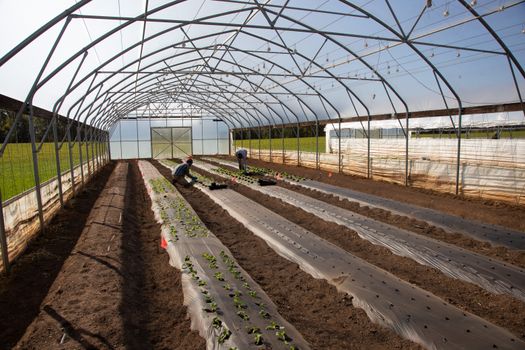
Photo by Mark Stebnicki on Pexels
The Value of Native Plant Contract Growing Services
Projects that rely on standard retail or wholesale inventory often face shortages, substitution of species, or inconsistent plant quality. Contract growing addresses each of these risks. By locking in production early, the buyer secures the exact species, quantity, and size needed. The nursery can focus on optimizing growing conditions for a single project, resulting in more uniform plants with stronger root systems.
Another key advantage is cost predictability. With contract growing, the price per plant is set at the time of the agreement, protecting the buyer from market fluctuations or seasonal price increases. For large projects involving tens of thousands of plants, this budget certainty is critical. Additionally, the nursery can coordinate delivery schedules to match the project’s planting timeline, reducing storage costs and plant stress.
A conservation nursery like Baker Environmental Nursery also has the expertise to produce plants that meet the rigorous standards of ecological restoration services. Unlike decorative landscaping, restoration requires plants that can survive in poor soils, variable moisture, and competition from invasive species. Contract-grown stock is typically hardened off and conditioned to handle these conditions.
Comparison: Contract Growing vs. Buying Standard Nursery Stock
Factor
Contract Growing
Standard Nursery Stock
Species availability
Any species with seed or propagation material available
The journey begins with a consultation. The buyer provides project details: species list, quantities, container preferences, and delivery timeline. Baker Environmental Nursery then evaluates seed availability, production capacity, and greenhouse scheduling. A proposal is prepared with pricing, production milestones, and a delivery schedule.
Once the contract is signed, the nursery begins native seed production or sources the necessary seeds and vegetative material. Seeds are sown in controlled greenhouse environments, and seedlings are grown to the specified plug size. Throughout the growing cycle, the nursery monitors moisture, nutrition, and pest control to ensure healthy, uniform plants.
For many restoration projects, plants must be shipped as native plant plugs in standard tray sizes for efficient handling and planting. The nursery coordinates fumigation and shipping logistics to meet state agricultural regulations. Delivery timing is set to align with the buyer’s planting window, often in spring or fall.
Custom plant growing also allows for special treatments such as cold stratification, mycorrhizal inoculation, or hardening off. These extra steps increase transplant survival rates and give the project a head start. The entire process is documented, and the buyer receives updates on production status.
Applications in Ecological Restoration and Commercial Landscaping
Contract growing is not limited to large wetland mitigation banks or highway corridor projects. It is equally valuable for green infrastructure installations, stormwater basins, and native landscape conversions. Municipalities are increasingly specifying native species for parks and public spaces, and habitat restoration supplies must be sourced reliably.
For example, a city planning a rain garden network might require 20,000 swamp milkweed plugs spread over three construction phases. Contract growing ensures each phase receives plants of the same age and size, resulting in a uniform visual appearance and consistent ecological function. Similarly, a commercial developer installing a green roof may need thousands of sedum plugs plus native grasses and perennials. Contract growing can combine multiple species in a single order, simplifying procurement.
For firms that specialize in ecological restoration services, contract growing is a competitive advantage. Being able to guarantee plant availability on a construction schedule builds trust with clients and regulatory agencies. It also allows restoration ecologists to select the best species for a site without being limited by what a wholesale nursery happens to have in stock.
Why Partner with a Wholesale Nursery for Contract Growing?
Not all nurseries offer contract growing. It requires dedicated greenhouse space, experienced propagation staff, and a robust seed supply chain. A wholesale nursery with a focus on native plants, like Baker Environmental Nursery, is better equipped to handle large-scale production than a retail garden center. The nursery’s entire operation is built around growing plants for resale, meaning they have the infrastructure to scale up.
Additionally, a nursery that also operates as a conservation nursery will have strong ties to regional seed collectors and restoration ecologists. This network improves access to locally adapted seed sources, which is a requirement for many publicly funded restoration projects. Using locally sourced seed enhances genetic diversity and supports the native seed production industry.
Baker Environmental Nursery’s contract growing service is designed to be transparent and collaborative. Buyers receive regular updates and can visit the nursery to inspect production. The goal is to deliver confidence: the right plants, at the right time, in the right condition. For landscape contractors and wholesale native plants buyers, this partnership reduces risk and streamlines the supply chain.
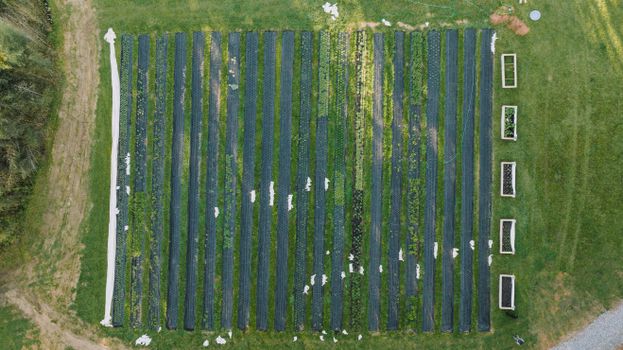
Photo by Tom Fisk on Pexels
Getting Started with a Contract Growing Order
The first step is to contact the nursery with preliminary project information. Even if quantities are not finalized, early conversations help reserve production space. Baker Environmental Nursery typically recommends contacting at least six to twelve months before the desired delivery date. For projects requiring rare species or large volumes, a two-year lead time may be necessary.
The nursery will request a species list, approximate quantities, preferred container type, and any special requirements like organic certification or pesticide-free growing. After reviewing capacity and seed availability, a formal quote is provided. A deposit is usually required to secure the production slot.
For smaller projects, buyers can also check the plant availability list on the nursery’s website to see what is already in production. If a species appears frequently in contract orders, it may be added to regular stock, making future orders easier. The nursery’s plant spacing calculator is also a helpful tool for estimating total quantity needed based on project area and planting pattern.
Frequently asked questions
What is contract growing for native plants?
Contract growing is a service where a nursery agrees to produce a specific quantity of native plants to a buyer’s specifications. The buyer commits to purchasing the plants in advance, and the nursery grows them to order. This ensures the exact species, size, and quality needed for large projects.
How long does contract propagation take?
Lead times vary by species and container size. Most native plant plugs require three to nine months from seed to shipping. Larger container sizes can take 12 to 18 months. Baker Environmental Nursery advises contacting them at least six months before your desired delivery date.
What is the minimum quantity for a contract growing order?
Minimums depend on the nursery’s capacity and the species. Many contract growers require a minimum of 1,000 to 5,000 plugs per species per order. Some nurseries may accept smaller runs for rare species. Contact the nursery directly to discuss your specific needs.
Can you grow specific ecotypes or locally sourced seed?
Yes. Many restoration projects require plants grown from seed collected within a specific ecoregion. Baker Environmental Nursery works with clients to source appropriate seed. This is a core part of their contract growing service, especially for projects requiring ecological restoration services.
How do I place an order for contract-grown plants?
Start by reaching out to the nursery with your project details. Provide species, quantities, container preference, and desired delivery window. The nursery will evaluate feasibility and provide a quote. Once agreed, you sign a contract and pay a deposit to secure production.