

Schizachyrium scoparium ‘The Blues’: Wholesale Little Bluestem

The Blues Little Bluestem growing in a large nursery planting. Available wholesale from Baker Environmental Nursery. Little bluestem has spent decades on the edge of mainstream planting design, admired by prairie restoration crews and largely ignored by everyone else. That has changed. Schizachyrium scoparium now shows up in municipal streetscapes, parking lot islands, green infrastructure plantings, and high-visibility commercial beds where designers want structure without irrigation. ‘The Blues’ is the selection buyers ask for by name because its foliage carries a stronger blue tone than the straight species, and because it fits the way large projects are actually planted: in quantity, in mass, and with minimal aftercare. Baker Environmental Nursery grows and supplies native grasses, sedges, perennials, and wetland plants at wholesale volume, and little bluestem is one of the workhorses of that catalog. This page covers what the references say about the plant, how it behaves in a commercial setting, and how a wholesale or contract grow order comes together for a project of real size. Why Little Bluestem Earns Its Place in Commercial Plantings Schizachyrium scoparium is a perennial, ornamental, warm-season grass in the Poaceae family with attractive foliage, and it is native to eastern North America. It is also widely described as one of the most beloved native grasses in North America, which is a rare thing for a plant that also happens to be tough. Reference material on the species describes a resilient grass that thrives in challenging conditions, withstands drought, and tolerates salty areas. For a landscape contractor, that combination does real work. A plant that holds up in dry, sunny, exposed locations reduces callbacks, protects the installation budget, and keeps a specification defensible long after the punch list is closed. The key traits the references support include: Fine-textured foliage that forms very dense mounds, described at roughly 18 to 24 inches tall. Slender blue-green stems that often reach above the foliage mass. An upright, bunchgrass form rather than a spreading, floppy habit. Excellent season-long color, with blue-green stems providing summer contrast. Strong performance in dry, sunny areas where irrigation is limited or absent. Tolerance of drought and of salty conditions. Seed production that feeds birds. Low-maintenance care once established, which suits large installations with limited maintenance budgets. Little bluestem is also a native, warm-season prairie grass, and it has been growing in popularity specifically because of its ornamental value. That matters for projects where the planting plan needs to satisfy both an aesthetic review and an ecological or native-plant requirement at the same time. What Sets ‘The Blues’ Apart in the Schizachyrium Lineup Foliage color is the reason this cultivar exists in the trade. Reference descriptions of western selections of little bluestem note gray-blue foliage paired with a strong, upright habit, and that same plant profile also provides seeds for birds. ‘The Blues’ is grown for buyers who want that cooler, blue-leaning tone rather than the greener cast of ordinary little bluestem. In a commercial planting, the color shift changes how a bed reads. Blue-toned foliage separates cleanly from warm green groundcovers and from the deeper greens of shrubs, and it holds that contrast through the summer months when many perennials have finished their first flush. Because the stems are slender and upright, the color registers as a mass rather than as individual clumps, which is exactly the effect designers want when planting a slope, a median, or a long foundation bed. For specification writers, the practical guidance is this: name the cultivar on the plan and confirm the grower is supplying that cultivar rather than a generic species plug. Color selection is a real variable in this genus, and substitutions are visible in the finished landscape. Container-grown The Blues Little Bluestem ready for wholesale landscape use from Baker Environmental Nursery. Site Conditions and Cultural Basics Light and exposure Little bluestem is described in plug and production listings as thriving in full sun, and it is recommended as a decorative grass for dry, sunny areas. That is not a soft preference. The species is at its best in open, unshaded conditions where airflow is good and the foliage dries quickly. Shade tends to produce lax growth and weaker stem color, which undercuts the reason to specify ‘The Blues’ in the first place. Soil and moisture Drought tolerance is one of the species’ headline traits, and it performs in challenging conditions where other ornamentals struggle. It tolerates salty areas as well, which opens up placements near roadways and in coastal-influenced projects where salt exposure is part of the site’s reality. The cultural profile that emerges from the references is straightforward: a warm-season bunchgrass that wants sun, handles dry stretches, and does not demand coddling once it is established. Planting timing The reference material reviewed for this article does not settle on a single best planting window or definitively answer every establishment question, including how aggressively the species spreads on a given site. Rather than guess, treat timing as a project-specific decision. Confirm the window with your local extension guidance, with the project specification, and with your grower before you schedule a delivery. What the references do support is that little bluestem is a warm-season grass, so its most active growth arrives with warm weather rather than in the cool shoulder seasons. Schizachyrium scoparium ‘The Blues’ at a Glance Attribute What the references describe Plant type Perennial, ornamental, warm-season bunchgrass in the Poaceae family Native range Native to eastern North America; a North American native prairie grass Form Upright bunchgrass with fine-textured foliage in very dense mounds Height Mounds described at roughly 18 to 24 inches; plug offerings listed at 1 to 3 feet Stems Slender blue-green stems, often rising above the foliage Foliage color Blue-green through summer; western selections noted for gray-blue foliage Exposure Full sun Moisture and stress Drought tolerant; tolerant of salty areas; suited to dry, sunny sites Seasonal interest Season-long color and year-round interest; low-maintenance care Wildlife value Provides seeds for birds Large quantities of The Blues Little Bluestem growing for
Andropogon virginicus – Broomsedge Bluestem for Erosion Control, Slopes & Restoration at Wholesale pricing.
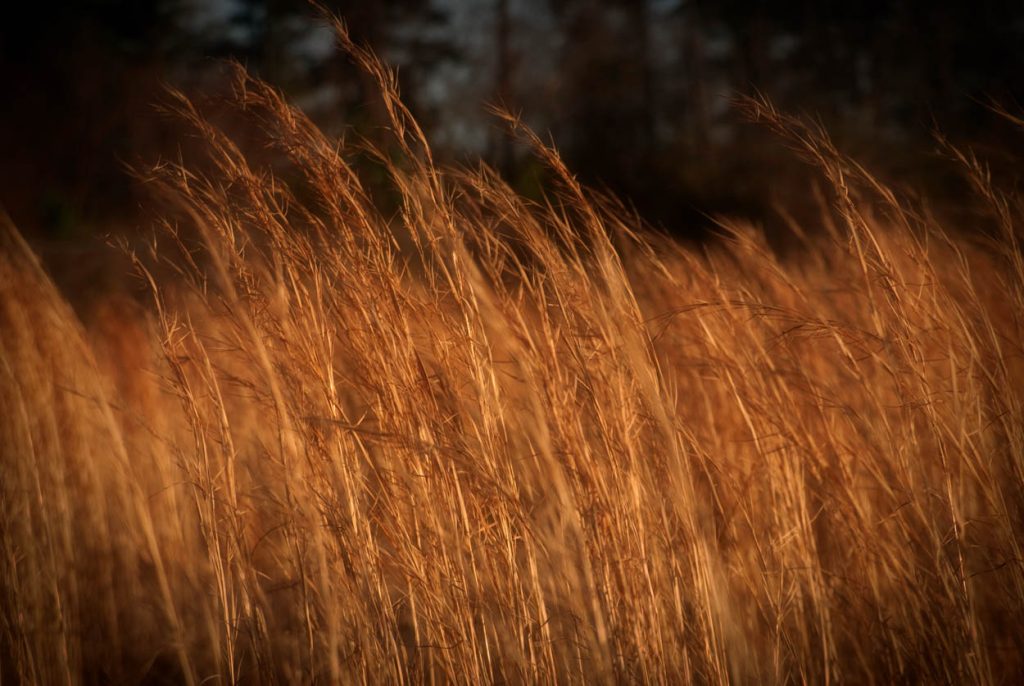
Andropogon virginicus, Broomsedge Bluestem, growing in a native meadow. Available wholesale from Baker Environmental Nursery. Andropogon virginicus – Broomsedge Bluestem is one of the most dependable native grasses for projects that demand erosion control, slope stabilization, and low-input establishment. For landscape contractors, municipalities, and green-industry professionals, this upright perennial bunchgrass delivers where disturbed soils and difficult terrain make other species risky. Baker Environmental Nursery supplies wholesale Andropogon virginicus – Broomsedge Bluestem in production-ready forms, with the project experience needed to support large restoration orders. This article covers the plant’s performance on erosion-prone sites, its tolerance for poor soil and drought, and how wholesale buyers can source it for upcoming projects. Erosion Control on Disturbed Sites Few native grasses respond to disturbed ground as reliably as Andropogon virginicus – Broomsedge Bluestem. On sites where construction, grading, fire, or utility work has stripped away established vegetation, this grass steps in and establishes quickly. It is often described as an invader of disturbed lands, and that aggressive establishment is exactly what makes it valuable for erosion control. Bare soil is vulnerable to runoff, and Broomsedge Bluestem provides fast-growing cover that reduces sediment loss while other species are still getting established. Andropogon virginicus – Broomsedge Bluestem is the primary native meadow grass in the northeast, which means it is well adapted to the region’s climate and growing conditions. It can reach up to about 6 feet in height, giving it the mass needed to intercept rainfall and slow surface flow. For wholesale buyers who work on restoration and land reclamation projects, this dependable establishment is a major advantage. The grass does not need an intensive soil preparation program or a perfect seedbed to perform. Slope Stabilization and Stormwater Management Slopes are among the most difficult areas to vegetate. Water moves quickly, topsoil is thin, and newly planted materials can wash out before they root. Andropogon virginicus – Broomsedge Bluestem is typically used for erosion control, rain gardens, and stormwater management because its growth habit is well suited to these conditions. Its dense root system can help stabilize soil and reduce erosion, holding the slope in place through heavy rain events. In stormwater applications, Broomsedge Bluestem serves a dual role. The roots support infiltration and soil stability, while the upright foliage slows surface runoff and allows sediment to settle. Rain gardens planted with Andropogon virginicus – Broomsedge Bluestem benefit from a grass that handles the fluctuating moisture typical of these systems. The plant turns a golden brown in the fall and maintains good color through the winter, so a slope or basin retains visual structure even in the dormant season. Broomsedge Bluestem displaying its distinctive fluffy white seed heads. Supplied wholesale by Baker Environmental Nursery. Drought Tolerance and Poor-Soil Performance Many commercial sites are not built with rich topsoil in mind. Subsoil, compacted fill, and low-fertility conditions are common challenges on large projects. Andropogon virginicus – Broomsedge Bluestem is naturally adapted to these conditions. It thrives on low pH and low fertility soils, so it performs well where amended soil and repeated fertilizer applications are not part of the maintenance plan. This characteristic also makes it a fit for low-maintenance sites where irrigation is limited. Drought tolerance is another reason this grass is a staple for tough sites. Once established, Andropogon virginicus – Broomsedge Bluestem can persist through dry periods without supplemental water. For project owners looking to reduce long-term maintenance costs, a grass that survives on natural rainfall is a practical choice. One practical result is a lower water budget and fewer replacement plantings over the life of the project. It is also helpful for buyers to understand the pasture context. Andropogon virginicus – Broomsedge Bluestem is considered a pasture weed because it frequently invades improperly managed pasture lands and has low palatability to livestock. That same persistence is an asset in erosion control, but it means the plant should be specified thoughtfully. On managed pasture or hay ground, soil fertility, lime, and grazing management, along with possible summer burning or herbicide, are typically part of a control program. For restoration and low-maintenance sites, however, the grass’s persistence is the whole point. Wildlife Cover and Seasonal Interest Andropogon virginicus – Broomsedge Bluestem is a wildlife-friendly, upright perennial bunchgrass. Its clumping form creates dense cover that ground-nesting birds and small animals use for shelter. In meadow restorations, this grass adds the vertical structure that open-country wildlife need to feel secure. The wildlife value extends into the winter months, when the standing dried foliage continues to provide cover long after other plants have collapsed. The seasonal appearance of Broomsedge Bluestem is another point in its favor. The grass turns a golden brown in the fall and maintains good color through the winter, giving meadows and slopes a warm, natural look. Settlers made brooms from the stems of this grass, which is how the common name Broomsedge Bluestem came to be. That history is a reminder that this is a working grass with a long record of practical use. Broomsedge Bluestem showing its rich copper-orange seasonal color. Available wholesale at Baker Environmental Nursery. Growth Habits That Matter in the Field Understanding the form of Andropogon virginicus – Broomsedge Bluestem helps buyers plan better installations. The grass grows in upright clumps, but the stems do not always stay perfectly vertical. Stems may stay upright, but they often lean, with the upper portion of the plant curving considerably. When they lean, stems may lean in different directions. In a meadow setting, this relaxed form looks natural. On a slope, the leaning habit helps the grass capture and slow runoff as it moves downhill. Because it is a bunchgrass, Andropogon virginicus – Broomsedge Bluestem grows in distinct clumps rather than spreading into a solid mat. This matters for spacing decisions. For erosion control, tighter spacing results in faster coverage. For meadow and habitat plantings, wider spacing lets each clump develop its full form. Wholesale buyers should consider the project’s coverage goals when choosing between plugs and containers. Close-up of
Sporobolus heterolepis – Prairie Dropseed: Fragrant Native Grass for Mass Planting

Extensive rows of healthy Sporobolus heterolepis provide dependable quantities for contractors, municipalities, developers, and other green-industry professionals. Sporobolus heterolepis, known to most green-industry professionals as Prairie Dropseed, is one of the most refined native grasses in commercial production. This native perennial clump-forming warm-season grass earns its keep across a wide range of applications, from upper-tier rain garden zones and green roof systems to large meadow installations and high-end residential borders. For landscape contractors, municipalities, nurseries, and restoration firms, Sporobolus heterolepis – Prairie Dropseed combines ornamental beauty, environmental function, and practical durability in a single plant. The grass is used equally by restoration ecologists and horticulturalists, which is rare in the plant world, and it is favored for its value as a tall, dry-loving groundcover with serious ornamental appeal. What Makes Sporobolus heterolepis – Prairie Dropseed a Standout Native Grass Considered by many to be one of the most refined of all native prairie grasses, Prairie Dropseed brings a level of polish that is hard to match in the native grass category. Its fine texture, arching clumps, and soft movement make it a favorite among landscape architects and specification writers, and its performance record makes it a favorite among the contractors who actually install it. It adds gentle movement to any planting, and it works just as well in a designed border as it does in a native restoration site. Fine Texture and Refined Form Sporobolus heterolepis – Prairie Dropseed grows roughly 2 to 3 feet wide by 1 to 2 feet tall in full sun and dry to medium-moist soils, forming dense, fountain-like clumps of exceptionally fine foliage. This fine texture gives the plant a delicate, airy appearance that contrasts beautifully with broad-leaved perennials, shrubs, and coarser grasses. Because it is a true clump former, it stays where it is planted. That predictability is exactly what a project manager wants when a specification calls for a clean, defined mass planting. Fragrant Flowers and Seasonal Color In late summer, airy flower panicles rise above the foliage and carry a subtle fragrance that adds an unexpected sensory element to the landscape. The gentle movement of the flowering stems is one of the reasons this grass is so popular in meadow plantings. Then, as temperatures cool, the foliage transitions to a warm golden fall color that stands out against late-season perennials. The plant continues to provide winter interest, holding its form and color through the dormant season. That long season of interest makes Sporobolus heterolepis – Prairie Dropseed a reliable anchor in both residential and commercial designs. The Environmental and Ecological Benefits of Prairie Dropseed Beyond looks, Sporobolus heterolepis – Prairie Dropseed delivers measurable ecological value. It is a water-wise plant that fits naturally into low-input, sustainable landscape designs, and it supports pollinators as a host plant. For projects that need to meet environmental goals without sacrificing aesthetics, this grass checks both boxes. It is appropriate for water-wise plantings and performs best where irrigation is minimal, which is a growing priority in commercial and municipal specifications. Deep Roots and Heat and Drought Tolerance This grass is very heat and drought tolerant because it is deep rooted. Once established, the root system reaches deep into the soil to access moisture that shallow-rooted species cannot reach. That means fewer irrigation demands, lower maintenance costs, and better survival through hot, dry summer conditions. In a commercial or municipal setting, that resilience translates directly into fewer callbacks and healthier plantings. For contractors working on tight budgets and tighter schedules, a grass that can carry itself through a dry spell is a valuable asset. A Pollinator Host Plant with Habitat Value Sporobolus heterolepis – Prairie Dropseed serves as a pollinator host plant, supporting native insect populations that depend on prairie grasses. Adding it to a project introduces a habitat component that is often missing from conventional ornamental plantings. This makes it a valuable addition to restoration work, green infrastructure projects, and any landscape where ecological function is part of the specification. From a sales perspective, that is a story you can take to a client who wants sustainability without giving up design quality. Green Roof and Rain Garden Applications The plant is well adapted to engineered landscape environments. It is commonly sited in the upper tier of a rain garden, where soils are drier and better drained, and its deep roots and drought tolerance make it a strong candidate for green roof applications. Green roofs expose plants to full sun, wind, and shallow, well-drained growing media, conditions that suit Prairie Dropseed well. For design teams working on stormwater and green infrastructure, this native grass is a dependable specification that performs under real-world stress. Container-grown Prairie Dropseed ready for installation, offering consistent size, strong foliage, and the refined texture needed for professional landscape projects. Mass Planting with Sporobolus heterolepis – Prairie Dropseed The plant performs well as an accent specimen, but its real power shows in mass. Sporobolus heterolepis – Prairie Dropseed can be used as a tall groundcover when mass planted, creating a uniform, self-sustaining matrix that suppresses weeds and reduces the need for mulch. It also works exceptionally well in distinctive border plantings and meadow installations, where its fine texture and gentle movement create a cohesive, naturalistic look. Whether you are covering a large municipal site or building a signature commercial entrance, a mass planting of this grass reads strongly from a distance and rewards close inspection. Site Requirements for Reliable Establishment Success depends on matching the plant to the right site. Sporobolus heterolepis – Prairie Dropseed prefers full sun and well-drained soils, and it is best suited to dry to medium-moisture conditions. It is classified for water-wise plantings and performs best where irrigation is minimal. Heavy, poorly drained soils are the main limitation, so site selection matters. Because mature clumps reach 2 to 3 feet wide, space plants with that ultimate spread in mind so the mass planting fills in cleanly without becoming overcrowded. Healthy container-grown Sporobolus heterolepis, commonly known as Prairie Dropseed, displaying dense,