

Andropogon virginicus – Broomsedge Bluestem for Erosion Control, Slopes & Restoration at Wholesale pricing.
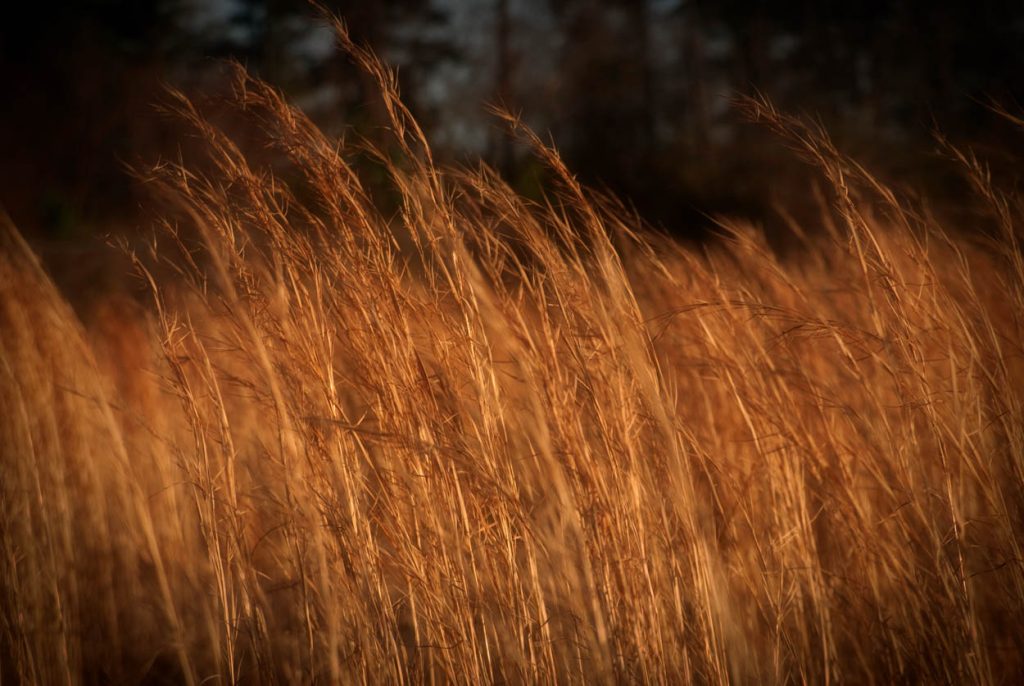
Andropogon virginicus, Broomsedge Bluestem, growing in a native meadow. Available wholesale from Baker Environmental Nursery. Andropogon virginicus – Broomsedge Bluestem is one of the most dependable native grasses for projects that demand erosion control, slope stabilization, and low-input establishment. For landscape contractors, municipalities, and green-industry professionals, this upright perennial bunchgrass delivers where disturbed soils and difficult terrain make other species risky. Baker Environmental Nursery supplies wholesale Andropogon virginicus – Broomsedge Bluestem in production-ready forms, with the project experience needed to support large restoration orders. This article covers the plant’s performance on erosion-prone sites, its tolerance for poor soil and drought, and how wholesale buyers can source it for upcoming projects. Erosion Control on Disturbed Sites Few native grasses respond to disturbed ground as reliably as Andropogon virginicus – Broomsedge Bluestem. On sites where construction, grading, fire, or utility work has stripped away established vegetation, this grass steps in and establishes quickly. It is often described as an invader of disturbed lands, and that aggressive establishment is exactly what makes it valuable for erosion control. Bare soil is vulnerable to runoff, and Broomsedge Bluestem provides fast-growing cover that reduces sediment loss while other species are still getting established. Andropogon virginicus – Broomsedge Bluestem is the primary native meadow grass in the northeast, which means it is well adapted to the region’s climate and growing conditions. It can reach up to about 6 feet in height, giving it the mass needed to intercept rainfall and slow surface flow. For wholesale buyers who work on restoration and land reclamation projects, this dependable establishment is a major advantage. The grass does not need an intensive soil preparation program or a perfect seedbed to perform. Slope Stabilization and Stormwater Management Slopes are among the most difficult areas to vegetate. Water moves quickly, topsoil is thin, and newly planted materials can wash out before they root. Andropogon virginicus – Broomsedge Bluestem is typically used for erosion control, rain gardens, and stormwater management because its growth habit is well suited to these conditions. Its dense root system can help stabilize soil and reduce erosion, holding the slope in place through heavy rain events. In stormwater applications, Broomsedge Bluestem serves a dual role. The roots support infiltration and soil stability, while the upright foliage slows surface runoff and allows sediment to settle. Rain gardens planted with Andropogon virginicus – Broomsedge Bluestem benefit from a grass that handles the fluctuating moisture typical of these systems. The plant turns a golden brown in the fall and maintains good color through the winter, so a slope or basin retains visual structure even in the dormant season. Broomsedge Bluestem displaying its distinctive fluffy white seed heads. Supplied wholesale by Baker Environmental Nursery. Drought Tolerance and Poor-Soil Performance Many commercial sites are not built with rich topsoil in mind. Subsoil, compacted fill, and low-fertility conditions are common challenges on large projects. Andropogon virginicus – Broomsedge Bluestem is naturally adapted to these conditions. It thrives on low pH and low fertility soils, so it performs well where amended soil and repeated fertilizer applications are not part of the maintenance plan. This characteristic also makes it a fit for low-maintenance sites where irrigation is limited. Drought tolerance is another reason this grass is a staple for tough sites. Once established, Andropogon virginicus – Broomsedge Bluestem can persist through dry periods without supplemental water. For project owners looking to reduce long-term maintenance costs, a grass that survives on natural rainfall is a practical choice. One practical result is a lower water budget and fewer replacement plantings over the life of the project. It is also helpful for buyers to understand the pasture context. Andropogon virginicus – Broomsedge Bluestem is considered a pasture weed because it frequently invades improperly managed pasture lands and has low palatability to livestock. That same persistence is an asset in erosion control, but it means the plant should be specified thoughtfully. On managed pasture or hay ground, soil fertility, lime, and grazing management, along with possible summer burning or herbicide, are typically part of a control program. For restoration and low-maintenance sites, however, the grass’s persistence is the whole point. Wildlife Cover and Seasonal Interest Andropogon virginicus – Broomsedge Bluestem is a wildlife-friendly, upright perennial bunchgrass. Its clumping form creates dense cover that ground-nesting birds and small animals use for shelter. In meadow restorations, this grass adds the vertical structure that open-country wildlife need to feel secure. The wildlife value extends into the winter months, when the standing dried foliage continues to provide cover long after other plants have collapsed. The seasonal appearance of Broomsedge Bluestem is another point in its favor. The grass turns a golden brown in the fall and maintains good color through the winter, giving meadows and slopes a warm, natural look. Settlers made brooms from the stems of this grass, which is how the common name Broomsedge Bluestem came to be. That history is a reminder that this is a working grass with a long record of practical use. Broomsedge Bluestem showing its rich copper-orange seasonal color. Available wholesale at Baker Environmental Nursery. Growth Habits That Matter in the Field Understanding the form of Andropogon virginicus – Broomsedge Bluestem helps buyers plan better installations. The grass grows in upright clumps, but the stems do not always stay perfectly vertical. Stems may stay upright, but they often lean, with the upper portion of the plant curving considerably. When they lean, stems may lean in different directions. In a meadow setting, this relaxed form looks natural. On a slope, the leaning habit helps the grass capture and slow runoff as it moves downhill. Because it is a bunchgrass, Andropogon virginicus – Broomsedge Bluestem grows in distinct clumps rather than spreading into a solid mat. This matters for spacing decisions. For erosion control, tighter spacing results in faster coverage. For meadow and habitat plantings, wider spacing lets each clump develop its full form. Wholesale buyers should consider the project’s coverage goals when choosing between plugs and containers. Close-up of
Sporobolus heterolepis – Prairie Dropseed: Fragrant Native Grass for Mass Planting

Extensive rows of healthy Sporobolus heterolepis provide dependable quantities for contractors, municipalities, developers, and other green-industry professionals. Sporobolus heterolepis, known to most green-industry professionals as Prairie Dropseed, is one of the most refined native grasses in commercial production. This native perennial clump-forming warm-season grass earns its keep across a wide range of applications, from upper-tier rain garden zones and green roof systems to large meadow installations and high-end residential borders. For landscape contractors, municipalities, nurseries, and restoration firms, Sporobolus heterolepis – Prairie Dropseed combines ornamental beauty, environmental function, and practical durability in a single plant. The grass is used equally by restoration ecologists and horticulturalists, which is rare in the plant world, and it is favored for its value as a tall, dry-loving groundcover with serious ornamental appeal. What Makes Sporobolus heterolepis – Prairie Dropseed a Standout Native Grass Considered by many to be one of the most refined of all native prairie grasses, Prairie Dropseed brings a level of polish that is hard to match in the native grass category. Its fine texture, arching clumps, and soft movement make it a favorite among landscape architects and specification writers, and its performance record makes it a favorite among the contractors who actually install it. It adds gentle movement to any planting, and it works just as well in a designed border as it does in a native restoration site. Fine Texture and Refined Form Sporobolus heterolepis – Prairie Dropseed grows roughly 2 to 3 feet wide by 1 to 2 feet tall in full sun and dry to medium-moist soils, forming dense, fountain-like clumps of exceptionally fine foliage. This fine texture gives the plant a delicate, airy appearance that contrasts beautifully with broad-leaved perennials, shrubs, and coarser grasses. Because it is a true clump former, it stays where it is planted. That predictability is exactly what a project manager wants when a specification calls for a clean, defined mass planting. Fragrant Flowers and Seasonal Color In late summer, airy flower panicles rise above the foliage and carry a subtle fragrance that adds an unexpected sensory element to the landscape. The gentle movement of the flowering stems is one of the reasons this grass is so popular in meadow plantings. Then, as temperatures cool, the foliage transitions to a warm golden fall color that stands out against late-season perennials. The plant continues to provide winter interest, holding its form and color through the dormant season. That long season of interest makes Sporobolus heterolepis – Prairie Dropseed a reliable anchor in both residential and commercial designs. The Environmental and Ecological Benefits of Prairie Dropseed Beyond looks, Sporobolus heterolepis – Prairie Dropseed delivers measurable ecological value. It is a water-wise plant that fits naturally into low-input, sustainable landscape designs, and it supports pollinators as a host plant. For projects that need to meet environmental goals without sacrificing aesthetics, this grass checks both boxes. It is appropriate for water-wise plantings and performs best where irrigation is minimal, which is a growing priority in commercial and municipal specifications. Deep Roots and Heat and Drought Tolerance This grass is very heat and drought tolerant because it is deep rooted. Once established, the root system reaches deep into the soil to access moisture that shallow-rooted species cannot reach. That means fewer irrigation demands, lower maintenance costs, and better survival through hot, dry summer conditions. In a commercial or municipal setting, that resilience translates directly into fewer callbacks and healthier plantings. For contractors working on tight budgets and tighter schedules, a grass that can carry itself through a dry spell is a valuable asset. A Pollinator Host Plant with Habitat Value Sporobolus heterolepis – Prairie Dropseed serves as a pollinator host plant, supporting native insect populations that depend on prairie grasses. Adding it to a project introduces a habitat component that is often missing from conventional ornamental plantings. This makes it a valuable addition to restoration work, green infrastructure projects, and any landscape where ecological function is part of the specification. From a sales perspective, that is a story you can take to a client who wants sustainability without giving up design quality. Green Roof and Rain Garden Applications The plant is well adapted to engineered landscape environments. It is commonly sited in the upper tier of a rain garden, where soils are drier and better drained, and its deep roots and drought tolerance make it a strong candidate for green roof applications. Green roofs expose plants to full sun, wind, and shallow, well-drained growing media, conditions that suit Prairie Dropseed well. For design teams working on stormwater and green infrastructure, this native grass is a dependable specification that performs under real-world stress. Container-grown Prairie Dropseed ready for installation, offering consistent size, strong foliage, and the refined texture needed for professional landscape projects. Mass Planting with Sporobolus heterolepis – Prairie Dropseed The plant performs well as an accent specimen, but its real power shows in mass. Sporobolus heterolepis – Prairie Dropseed can be used as a tall groundcover when mass planted, creating a uniform, self-sustaining matrix that suppresses weeds and reduces the need for mulch. It also works exceptionally well in distinctive border plantings and meadow installations, where its fine texture and gentle movement create a cohesive, naturalistic look. Whether you are covering a large municipal site or building a signature commercial entrance, a mass planting of this grass reads strongly from a distance and rewards close inspection. Site Requirements for Reliable Establishment Success depends on matching the plant to the right site. Sporobolus heterolepis – Prairie Dropseed prefers full sun and well-drained soils, and it is best suited to dry to medium-moisture conditions. It is classified for water-wise plantings and performs best where irrigation is minimal. Heavy, poorly drained soils are the main limitation, so site selection matters. Because mature clumps reach 2 to 3 feet wide, space plants with that ultimate spread in mind so the mass planting fills in cleanly without becoming overcrowded. Healthy container-grown Sporobolus heterolepis, commonly known as Prairie Dropseed, displaying dense,
Calamagrostis x acutiflora Karl Foerster Feather Reed Grass Commercial Landscape Wholesale

A mature planting of Calamagrostis × acutiflora ‘Karl Foerster’ displaying upright golden flower plumes and dense green foliage that provide strong seasonal interest. Landscape contractors, specifiers, and municipal buyers consistently specify Calamagrostis × acutiflora ‘Karl Foerster’ – Feather Reed Grass for projects that demand vertical structure, winter persistence, and dependable performance under stress. As a cool-season grass, it grows rapidly in spring, producing dense foliage clumps about 2 feet tall. These clumps rise to 4 to 6 feet with dramatic red-bronze flower spikes that appear in early to midsummer. The spikes mature to wheat-colored plumes that persist through winter. For wholesale buyers sourcing for large-scale work, Baker Environmental Nursery carries this grass in stock and ready to ship in any quantity. Contract growing is available for large projects requiring custom specifications. Performance and Structural Reliability on Commercial Sites Year-Round Structural Interest The feathery plumes of Calamagrostis × acutiflora ‘Karl Foerster’ are its signature trait for commercial landscapes. The flower spikes start with a pinkish or purple tinge before maturing to a wheat-colored blonde. Unlike many perennials that lose form in winter, these plumes persist through the colder months. This provides vertical architecture, texture, and movement in the landscape when it is most needed. The grass is low maintenance and should be cut back in late winter or early spring before new growth, making it efficient for crews to manage across large sites. This single seasonal task is the only significant maintenance required, freeing crew time for other work. Dependability in Difficult Conditions Landscapers often face difficult soil conditions on commercial sites. Calamagrostis × acutiflora ‘Karl Foerster’ tolerates both heavy clay and compacted soil without sacrificing performance. It grows best in full sun to partial shade. Once established, it exhibits good drought tolerance, reducing the need for supplemental irrigation on commercial sites. It is also deer-resistant and cold-hardy across a hardiness zone range of 4 to 9. This broad adaptability makes it a reliable choice for projects from the Midwest to the East Coast and beyond. Karl Foerster Feather Reed Grass adds height, movement, and soft texture to a waterside landscape with its tall foliage and light-colored flower plumes. Why Landscape Professionals Specify ‘Karl Foerster’ Mass Planting Without the Headaches When planted en masse, this grass looks stunning. Its uniform upright growth creates a seamless field of motion and color. Because the seeds are sterile, it will not reseed, meaning it stays exactly where it is planted. This predictability is a significant advantage for maintenance contracts and designed plant communities. The award of Perennial Plant of the Year in 2001 is a testament to its widespread adaptability and durability in the landscape. Contractors value the fact that they can specify it and be confident it will perform consistently across an entire planting bed. Vertical Accent and Tall Screening The mature bloom stalks reach 4 to 6 feet, while the foliage clump stays around 2 feet. This makes it an excellent choice for seasonal screening between parking lots, roadways, or pedestrian paths. It works well as a backdrop for lower perennials and shrubs or as a vertical accent in narrow planting strips. Its strong upright habit ensures it does not flop over like some larger warm-season grasses, maintaining a clean, architectural line even after heavy rain. Low-Maintenance Workflow Minimal care is required after establishment. The primary task is cutting back the previous season’s growth in late winter or early spring. As a cool-season grass, it does most of its growing in spring, so a spring clean-up reveals fresh growth quickly. Contractors appreciate this simple maintenance cycle for their commercial accounts, knowing the grass will deliver strong performance year after year without complex care regimes. It is a clean plant that does not require staking or dividing on a regular schedule. A close-up of the soft golden flower plume of Calamagrostis × acutiflora ‘Karl Foerster’, highlighting the fine texture and seasonal color of this popular ornamental grass. Sourcing Calamagrostis × acutiflora ‘Karl Foerster’ for Wholesale Buyers Baker Environmental Nursery Baker Environmental Nursery is a wholesale-only grower and supplier serving landscape contractors, municipalities, and green-industry professionals across the U.S. As a specialist in native grasses, sedges, and perennials, the nursery understands the specific needs of large-scale projects. Calamagrostis × acutiflora ‘Karl Foerster’ – Feather Reed Grass is a core part of the production lineup. Buyers can check live inventory on the website and place orders directly. Contract Growing for Large-Scale Projects For large landscape specifications, securing inventory can be a challenge. Baker Environmental Nursery offers a contract growing service that produces plants to exact specifications. This service ensures that the plants are available when they are needed for planting, removing the guesswork from sourcing large quantities for multi-year projects. The team works closely with buyers to meet project timelines and ensure a consistent supply of healthy, well-rooted plants. Ready to Ship in Any Quantity Stock is available now for immediate delivery. For a complete and reliable supply of Calamagrostis × acutiflora ‘Karl Foerster’ – Feather Reed Grass for your commercial landscape projects, contact the sales team at Baker Environmental Nursery. Call or email for quotes today. Ask about pricing for bulk truckload orders and scheduled deliveries to fit your installation calendar. Use the free plant calculator tool on the website to estimate quantities for square and triangular planting patterns, helping you bid accurately on your next project. Karl Foerster Feather Reed Grass creates strong vertical structure in a mixed perennial landscape while complementing colorful flowering plants. Frequently Asked Questions How tall does Calamagrostis × acutiflora ‘Karl Foerster’ get in a commercial landscape? The foliage clump reaches about 2 feet in height. The flower spikes extend well above the foliage, bringing the total mature height with bloom stalks to 4 to 6 feet. This height makes it effective for vertical accent and screening applications where a narrow footprint is required. Does this feather reed grass spread aggressively or reseed? No. The seeds are sterile, so it will not reseed in the landscape. It is