

Carex vulpinoidea – Wholesale Fox Sedge for Wetland Restoration and Commercial Landscaping from Baker Environmental Nursery

Mature Fox Sedge growing among native wetland vegetation. Supplied wholesale by Baker Environmental Nursery. Carex vulpinoidea wholesale orders are how landscape contractors, restoration crews, and municipal buyers get a proven native sedge into ground that stays wet. Fox Sedge handles some of the toughest planting situations on a commercial or restoration site, and it keeps working long after the punch list is closed. Baker Environmental Nursery grows Carex vulpinoidea for the wholesale trade and supplies contractors, designers, municipalities, and re-wholesalers who need real quantities and a plant that performs where turf fails. Wet ground is expensive to manage. Water sits, mowers sink, mulch floats, and the eroded edges of a basin or swale turn into a maintenance line item that never goes away. A native sedge that thrives in full sun and naturalizes in moist areas changes that math. It fills in, holds its place, and asks for very little once it is rooted. Buyers who need that outcome across acres do not need a rare plant. They need a tough one that can be grown in volume and delivered on schedule. Fox Sedge has that reputation for good reason. It is described as a tough, versatile plant that lends itself well to most wetland restoration projects, and it is one of the most abundant sedges in Missouri, growing on moist open ground in swamps, wet prairies, and near water. Abundance in the wild is a strong signal for anyone placing a Carex vulpinoidea wholesale order. It means the plant is not delicate, not difficult, and not likely to sulk after installation. Carex vulpinoidea Wholesale Solves the Problem Sites Nobody Wants to Plant Every project has ground that fights back. The low corner where water stands for two days after a storm. The swale between a parking lot and a sidewalk. The gentle slope into a basin that erodes a little more each season. Those areas are usually the last to be planted and the first to generate complaints, because the standard answer, turf, does not survive there. A Carex vulpinoidea wholesale order puts a wetland plant into that ground before it becomes a problem. Fox Sedge belongs in the places where water collects rather than passes through, and it holds those edges with fine textured foliage that looks intentional instead of weedy. Rain gardens, bioswales, stormwater facilities, retention and detention areas, wet roadside ditches, and the damp margins around ponds and swamps are all realistic applications for this species. What a buyer is really purchasing, beyond plants, is fewer callbacks. Material that establishes without irrigation babysitting. Cover that reads as designed rather than temporary. For contractors carrying warranty periods and for municipalities answering to residents, that difference shows up on the budget line quickly. Why Fox Sedge Fits Wet-Site Plans So Well Site adaptability is where this species separates itself from fussier native plants. Carex vulpinoidea is widely distributed in North America and turns up in wet roadside ditches and fields, often in disturbed ground that sees full sun and fluctuating water levels. A sedge that volunteers in a ditch is not going to need coddling in a bioswale. It thrives in full sun and naturalizes readily in moist areas. The species is variable in the wild, and that variability is part of its resilience, because it adapts across a wide range of wet conditions instead of demanding one narrow set of them. For a landscape architect writing a specification or a project manager sequencing installation windows, that flexibility removes risk from the planting plan. Fox Sedge also answers to several common names, including American fox sedge, brown fox sedge, and common fox sedge, so a specification written with an alternate name is still pointing at the same plant. Baker Environmental Nursery can confirm naming and matching for spec writers who need the correct material under the correct label. Mature Fox Sedge showing its arching seed heads in a wetland setting. Available wholesale from Baker Environmental Nursery. What Fox Sedge Looks Like Once It Settles In Fox Sedge is named for its seed head, which carries the shape of a fox tail. That one detail gives the plant an identity in the landscape that most wet-site groundcovers never achieve, and it is a big reason designers keep returning to it for native planting plans. The foliage is fine textured and arching, forming attractive clumps with gracefully arching stems and a shapely form. In the trade it is often described as an herbaceous evergreen perennial with a delicate texture that stands out against coarser grasses and broadleaf perennials. Height typically lands between one and two feet, with some references noting plants that approach three feet tall, and a similar spread. Flowers arrive in July in green and brown tones. Like other plants in the genus Carex, it grows with triangular stems and linear, strap-shaped leaves, and it roots with a fibrous system rather than a single deep taproot. Those fibrous roots are what knit wet soil together instead of sitting loose in it, which matters at the water line of a basin where flow concentrates and soil wants to move. Rain Gardens, Bioswales, and Stormwater Facilities Stormwater work is where Fox Sedge earns its keep at scale. A rain garden or bioswale is engineered to slow water and let it infiltrate, and the planting has to tolerate both the flood and the dry spell that follows. Carex vulpinoidea wholesale quantities make it practical to plant these features densely enough to actually function. Fine textured arching clumps work in mass plantings along a swale bottom, up the side slopes, and around outlet structures where flow gathers. In retention and detention areas, the plant handles the wet and dry cycle that kills conventional landscape material, and its fibrous root mass helps hold the soil at the water line. Municipal stormwater facilities often sit in public view, beside trails, parking lots, and roadways, so appearance matters as much as performance. A sedge that naturalizes readily into a soft, even stand gives those
Carex stricta Wholesale: Tussock Sedge for Wet Sites

Carex stricta growing in wholesale nursery containers. Available from Baker Environmental Nursery for wetland and stormwater projects. Carex stricta wholesale orders are what turn a difficult, wet, half-forgotten corner of a project into one of its strongest assets, and tussock sedge is the native sedge that makes those orders worth placing in volume. Every commercial landscaping team has a list of sites that behave badly: the low spot behind a parking lot, the detention basin that never quite dries out, the pond edge that keeps slumping, the swale that looks like bare mud after a hard rain. Those are the sites where a buyer stops shopping for color and starts shopping for survival. Tussock sedge is built for exactly that job. It is a hardy native, grass-like perennial that thrives in wet soils and forms striking clumps of upright foliage instead of sulking through the wet season. That combination of tolerance and presence is why Baker Environmental Nursery grows it as part of a wholesale native sedge and wetland plant program aimed at contractors, municipalities, and green-industry professionals who need plant material to perform, not merely arrive. If your planting plans keep running into high soil moisture, this is the plant that stops the argument. Place the order, plant it with confidence, and let the sedge tell the story for the next several seasons. Why Wet Sites Fail Before They Ever Get Planted Most planting failures on wet ground are decided long before anyone pulls a shovel out of the truck. A design calls for a familiar ornamental, the site holds water longer than the plan assumed, roots suffocate, and by the second season the bed is a scatter of gaps. The fix is not more irrigation or more mulch. The fix is a native plant that evolved with saturated ground. Carex stricta is listed as growing in high soil moisture with full sun exposure, and its native environment is described as stream edge and wetland. That is not a plant tolerating wet ground at the edge of its comfort zone. That is a plant sitting in the middle of it. When a specification writer reaches for a sedge for a stormwater feature, a rain garden, or a wet meadow edge, tussock sedge already belongs there. For wholesale buyers, that means fewer callbacks and fewer replacement cycles. A plant that survives its first winter on a marginal site saves an entire line item on the next budget conversation. What Tussock Sedge Looks Like Once It Is In the Ground Tussock sedge is often described as an elegant, impressive sedge, and the description holds up in a mature planting. It can grow up to four feet tall and as much across, with gracefully arching, fine-textured leaves that give it a soft, almost fountain-like silhouette rather than the stiff, upright look of a mowed turf grass. The foliage is green through its main season of interest, and the plant produces reddish-brown flowers during its bloom window in May and June. Bloom is not the point with this sedge, though it does add a quiet detail for anyone walking a site in late spring. The point is structure. Clump-forming sedges hold their shape. They do not run across a bed and appear somewhere unexpected three years later. For commercial landscaping, that predictable habit is a feature, because it means the planting plan you sold is the planting plan that gets installed and the one that gets delivered. The Visual Case for a Native Sedge in Commercial Landscaping Native plants still get sorted into two boxes by some clients: the pretty ones and the functional ones. Tussock sedge refuses the sorting. Its fine texture reads well against broadleaf perennials, its upright clumps create rhythm along a waterline, and its massed form gives a designed edge to features that would otherwise look like unfinished grading. Around the edge of a pond or stream, it softens the transition between water and land. In a rain garden, it fills the basin with something that looks intentional rather than incidental. Along a swale, it turns a drainage function into a linear planting that photographs well and passes inspection. Landscape architects and designers who specify native sedge material get a plant with real design weight behind it, not a placeholder. Tussock Sedge displaying upright green foliage and seed spikes. Supplied wholesale by Baker Environmental Nursery. Erosion Control That Comes From the Plant Itself Tussock sedge has a knack for forming dense, rounded clumps that grow like little tussocks of grass, and those dense clumps are the reason it shows up on erosion control plant lists again and again. The root mass beneath a mature clump holds soil in place while the top growth slows water and breaks the energy of runoff moving across a slope or channel. That makes it a natural fit for swales, for stream edges, and for moist to wet ground used as a ground cover where bare soil would otherwise be the default answer. Tussock sedge will not replace engineered structures, and it is not sold as a substitute for them, but it is the living layer that keeps a slope looking finished while the infrastructure does its job. For contractors working on green infrastructure and stormwater management projects, plant material that contributes to stability is worth more than plant material that simply fills square footage. Buyers who understand that distinction are the buyers this sedge was grown for. Wildlife Value That Helps Justify Native Plant Sales Tussock sedge is consistently described as wildlife-friendly, and dense clumps do real work for the creatures that share a site. Cover at ground level matters, especially in landscapes that are otherwise open lawn, pavement, and mulch. A clump-forming sedge gives that cover without spreading into areas where it was never planned. That matters commercially, not just ecologically. Municipalities, public agencies, and developers are asked more often to justify native planting on the grounds of habitat and biodiversity, and a wetland plant that supports wildlife while holding a
Schizachyrium scoparium ‘The Blues’: Wholesale Little Bluestem

The Blues Little Bluestem growing in a large nursery planting. Available wholesale from Baker Environmental Nursery. Little bluestem has spent decades on the edge of mainstream planting design, admired by prairie restoration crews and largely ignored by everyone else. That has changed. Schizachyrium scoparium now shows up in municipal streetscapes, parking lot islands, green infrastructure plantings, and high-visibility commercial beds where designers want structure without irrigation. ‘The Blues’ is the selection buyers ask for by name because its foliage carries a stronger blue tone than the straight species, and because it fits the way large projects are actually planted: in quantity, in mass, and with minimal aftercare. Baker Environmental Nursery grows and supplies native grasses, sedges, perennials, and wetland plants at wholesale volume, and little bluestem is one of the workhorses of that catalog. This page covers what the references say about the plant, how it behaves in a commercial setting, and how a wholesale or contract grow order comes together for a project of real size. Why Little Bluestem Earns Its Place in Commercial Plantings Schizachyrium scoparium is a perennial, ornamental, warm-season grass in the Poaceae family with attractive foliage, and it is native to eastern North America. It is also widely described as one of the most beloved native grasses in North America, which is a rare thing for a plant that also happens to be tough. Reference material on the species describes a resilient grass that thrives in challenging conditions, withstands drought, and tolerates salty areas. For a landscape contractor, that combination does real work. A plant that holds up in dry, sunny, exposed locations reduces callbacks, protects the installation budget, and keeps a specification defensible long after the punch list is closed. The key traits the references support include: Fine-textured foliage that forms very dense mounds, described at roughly 18 to 24 inches tall. Slender blue-green stems that often reach above the foliage mass. An upright, bunchgrass form rather than a spreading, floppy habit. Excellent season-long color, with blue-green stems providing summer contrast. Strong performance in dry, sunny areas where irrigation is limited or absent. Tolerance of drought and of salty conditions. Seed production that feeds birds. Low-maintenance care once established, which suits large installations with limited maintenance budgets. Little bluestem is also a native, warm-season prairie grass, and it has been growing in popularity specifically because of its ornamental value. That matters for projects where the planting plan needs to satisfy both an aesthetic review and an ecological or native-plant requirement at the same time. What Sets ‘The Blues’ Apart in the Schizachyrium Lineup Foliage color is the reason this cultivar exists in the trade. Reference descriptions of western selections of little bluestem note gray-blue foliage paired with a strong, upright habit, and that same plant profile also provides seeds for birds. ‘The Blues’ is grown for buyers who want that cooler, blue-leaning tone rather than the greener cast of ordinary little bluestem. In a commercial planting, the color shift changes how a bed reads. Blue-toned foliage separates cleanly from warm green groundcovers and from the deeper greens of shrubs, and it holds that contrast through the summer months when many perennials have finished their first flush. Because the stems are slender and upright, the color registers as a mass rather than as individual clumps, which is exactly the effect designers want when planting a slope, a median, or a long foundation bed. For specification writers, the practical guidance is this: name the cultivar on the plan and confirm the grower is supplying that cultivar rather than a generic species plug. Color selection is a real variable in this genus, and substitutions are visible in the finished landscape. Container-grown The Blues Little Bluestem ready for wholesale landscape use from Baker Environmental Nursery. Site Conditions and Cultural Basics Light and exposure Little bluestem is described in plug and production listings as thriving in full sun, and it is recommended as a decorative grass for dry, sunny areas. That is not a soft preference. The species is at its best in open, unshaded conditions where airflow is good and the foliage dries quickly. Shade tends to produce lax growth and weaker stem color, which undercuts the reason to specify ‘The Blues’ in the first place. Soil and moisture Drought tolerance is one of the species’ headline traits, and it performs in challenging conditions where other ornamentals struggle. It tolerates salty areas as well, which opens up placements near roadways and in coastal-influenced projects where salt exposure is part of the site’s reality. The cultural profile that emerges from the references is straightforward: a warm-season bunchgrass that wants sun, handles dry stretches, and does not demand coddling once it is established. Planting timing The reference material reviewed for this article does not settle on a single best planting window or definitively answer every establishment question, including how aggressively the species spreads on a given site. Rather than guess, treat timing as a project-specific decision. Confirm the window with your local extension guidance, with the project specification, and with your grower before you schedule a delivery. What the references do support is that little bluestem is a warm-season grass, so its most active growth arrives with warm weather rather than in the cool shoulder seasons. Schizachyrium scoparium ‘The Blues’ at a Glance Attribute What the references describe Plant type Perennial, ornamental, warm-season bunchgrass in the Poaceae family Native range Native to eastern North America; a North American native prairie grass Form Upright bunchgrass with fine-textured foliage in very dense mounds Height Mounds described at roughly 18 to 24 inches; plug offerings listed at 1 to 3 feet Stems Slender blue-green stems, often rising above the foliage Foliage color Blue-green through summer; western selections noted for gray-blue foliage Exposure Full sun Moisture and stress Drought tolerant; tolerant of salty areas; suited to dry, sunny sites Seasonal interest Season-long color and year-round interest; low-maintenance care Wildlife value Provides seeds for birds Large quantities of The Blues Little Bluestem growing for
Andropogon virginicus – Broomsedge Bluestem for Erosion Control, Slopes & Restoration at Wholesale pricing.
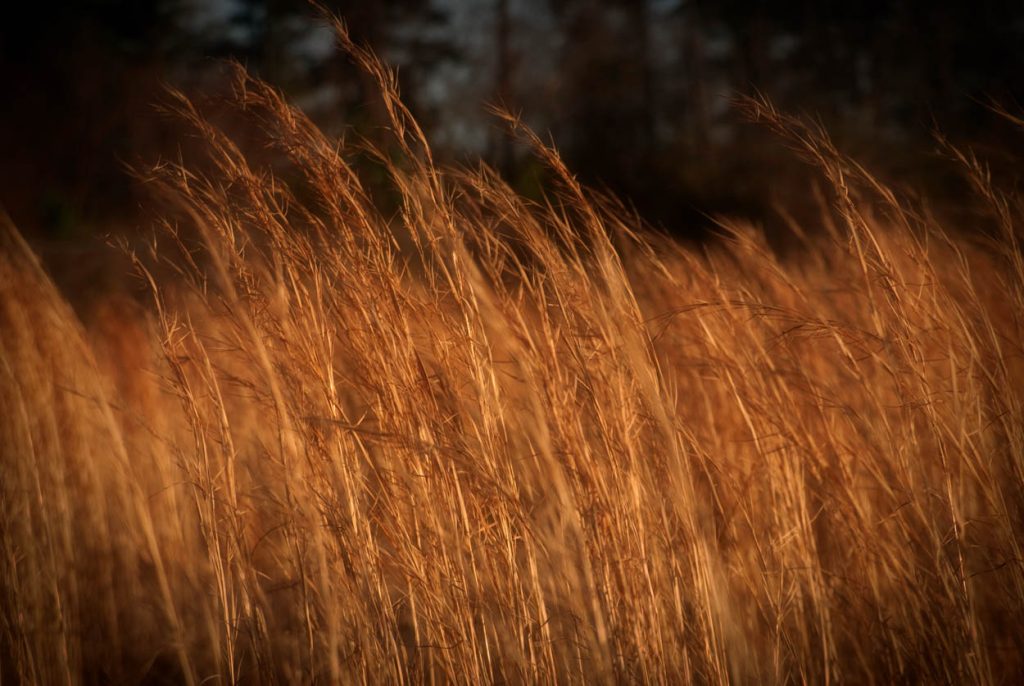
Andropogon virginicus, Broomsedge Bluestem, growing in a native meadow. Available wholesale from Baker Environmental Nursery. Andropogon virginicus – Broomsedge Bluestem is one of the most dependable native grasses for projects that demand erosion control, slope stabilization, and low-input establishment. For landscape contractors, municipalities, and green-industry professionals, this upright perennial bunchgrass delivers where disturbed soils and difficult terrain make other species risky. Baker Environmental Nursery supplies wholesale Andropogon virginicus – Broomsedge Bluestem in production-ready forms, with the project experience needed to support large restoration orders. This article covers the plant’s performance on erosion-prone sites, its tolerance for poor soil and drought, and how wholesale buyers can source it for upcoming projects. Erosion Control on Disturbed Sites Few native grasses respond to disturbed ground as reliably as Andropogon virginicus – Broomsedge Bluestem. On sites where construction, grading, fire, or utility work has stripped away established vegetation, this grass steps in and establishes quickly. It is often described as an invader of disturbed lands, and that aggressive establishment is exactly what makes it valuable for erosion control. Bare soil is vulnerable to runoff, and Broomsedge Bluestem provides fast-growing cover that reduces sediment loss while other species are still getting established. Andropogon virginicus – Broomsedge Bluestem is the primary native meadow grass in the northeast, which means it is well adapted to the region’s climate and growing conditions. It can reach up to about 6 feet in height, giving it the mass needed to intercept rainfall and slow surface flow. For wholesale buyers who work on restoration and land reclamation projects, this dependable establishment is a major advantage. The grass does not need an intensive soil preparation program or a perfect seedbed to perform. Slope Stabilization and Stormwater Management Slopes are among the most difficult areas to vegetate. Water moves quickly, topsoil is thin, and newly planted materials can wash out before they root. Andropogon virginicus – Broomsedge Bluestem is typically used for erosion control, rain gardens, and stormwater management because its growth habit is well suited to these conditions. Its dense root system can help stabilize soil and reduce erosion, holding the slope in place through heavy rain events. In stormwater applications, Broomsedge Bluestem serves a dual role. The roots support infiltration and soil stability, while the upright foliage slows surface runoff and allows sediment to settle. Rain gardens planted with Andropogon virginicus – Broomsedge Bluestem benefit from a grass that handles the fluctuating moisture typical of these systems. The plant turns a golden brown in the fall and maintains good color through the winter, so a slope or basin retains visual structure even in the dormant season. Broomsedge Bluestem displaying its distinctive fluffy white seed heads. Supplied wholesale by Baker Environmental Nursery. Drought Tolerance and Poor-Soil Performance Many commercial sites are not built with rich topsoil in mind. Subsoil, compacted fill, and low-fertility conditions are common challenges on large projects. Andropogon virginicus – Broomsedge Bluestem is naturally adapted to these conditions. It thrives on low pH and low fertility soils, so it performs well where amended soil and repeated fertilizer applications are not part of the maintenance plan. This characteristic also makes it a fit for low-maintenance sites where irrigation is limited. Drought tolerance is another reason this grass is a staple for tough sites. Once established, Andropogon virginicus – Broomsedge Bluestem can persist through dry periods without supplemental water. For project owners looking to reduce long-term maintenance costs, a grass that survives on natural rainfall is a practical choice. One practical result is a lower water budget and fewer replacement plantings over the life of the project. It is also helpful for buyers to understand the pasture context. Andropogon virginicus – Broomsedge Bluestem is considered a pasture weed because it frequently invades improperly managed pasture lands and has low palatability to livestock. That same persistence is an asset in erosion control, but it means the plant should be specified thoughtfully. On managed pasture or hay ground, soil fertility, lime, and grazing management, along with possible summer burning or herbicide, are typically part of a control program. For restoration and low-maintenance sites, however, the grass’s persistence is the whole point. Wildlife Cover and Seasonal Interest Andropogon virginicus – Broomsedge Bluestem is a wildlife-friendly, upright perennial bunchgrass. Its clumping form creates dense cover that ground-nesting birds and small animals use for shelter. In meadow restorations, this grass adds the vertical structure that open-country wildlife need to feel secure. The wildlife value extends into the winter months, when the standing dried foliage continues to provide cover long after other plants have collapsed. The seasonal appearance of Broomsedge Bluestem is another point in its favor. The grass turns a golden brown in the fall and maintains good color through the winter, giving meadows and slopes a warm, natural look. Settlers made brooms from the stems of this grass, which is how the common name Broomsedge Bluestem came to be. That history is a reminder that this is a working grass with a long record of practical use. Broomsedge Bluestem showing its rich copper-orange seasonal color. Available wholesale at Baker Environmental Nursery. Growth Habits That Matter in the Field Understanding the form of Andropogon virginicus – Broomsedge Bluestem helps buyers plan better installations. The grass grows in upright clumps, but the stems do not always stay perfectly vertical. Stems may stay upright, but they often lean, with the upper portion of the plant curving considerably. When they lean, stems may lean in different directions. In a meadow setting, this relaxed form looks natural. On a slope, the leaning habit helps the grass capture and slow runoff as it moves downhill. Because it is a bunchgrass, Andropogon virginicus – Broomsedge Bluestem grows in distinct clumps rather than spreading into a solid mat. This matters for spacing decisions. For erosion control, tighter spacing results in faster coverage. For meadow and habitat plantings, wider spacing lets each clump develop its full form. Wholesale buyers should consider the project’s coverage goals when choosing between plugs and containers. Close-up of
Rhynchospora colorata (Dichromena latifolia) – White-Top Sedge for Stormwater, Bioswales & Wetland Plantings

Rhynchospora colorata, White-Top Sedge, growing along the water’s edge. Available wholesale from Baker Environmental Nursery. When a stormwater basin, bioswale, or pond edge calls for a native plant that performs in wet soil and still looks sharp through the growing season, Rhynchospora colorata (Dichromena latifolia) – White-Top Sedge (White Star Grass) is the kind of species that makes a project look finished. This native, moisture-loving sedge sends up narrow green blades topped with starry white bracts that read clearly from a distance, making it a dependable choice for rain gardens, roadside ditches, and low, wet pockets in commercial landscapes. Landscape contractors, municipalities, and design-build teams across the United States rely on wholesale native plant suppliers to keep these projects on schedule, and Baker Environmental Nursery grows this sedge specifically for that market. What Is White-Top Sedge? Rhynchospora colorata is a grass-like perennial in the Cyperaceae, or sedge, family. It is also sold under the older botanical name Dichromena latifolia, and some sources use Dichromena colorata as a synonym. That long list of names can create confusion in the field, so it helps to know the plant by all of its common names: Whitetop Sedge, Narrowleaf Whitetop Sedge, White Star Grass, Star Sedge, Starrush Whitetop, White-topped Sedge, and Star Rush. The plant forms a clump of narrow, long, tapering green blades that arise from the base. The real show comes from the flower heads. Tiny white flowers are surrounded by 5 to 6 long, drooping white bracts that form a star shape, which is exactly how White Star Grass earned its common name. Some sources describe the individual blooms as turtle-shaped, and the effect above a mass planting is a field of white that moves in the wind. Mature plant size varies by source and site. Plants are often listed at up to about 28 inches tall, while other reports put the range at 2 to 3 feet. Some cultivated listings describe a more compact plant at around 15 inches. Expect a slowly spreading clump rather than an aggressive runner. Rhynchospora colorata spreads by rhizomes at a modest pace and is frequently recommended as a groundcover in moist sites. A Native Built for Wet, Hard-to-Manage Areas This sedge earns its place in low, wet ground. It is a native, moisture-loving plant found in wet coastal areas, dunes, prairies, and along roadsides and ditches. Narrowleaf Whitetop Sedge is even described as an evergreen grasslike perennial in some of those settings, which means it can hold structure and color through winter in milder zones. It is commonly listed for Zone 7a and warmer, though contractors should verify zone performance for their specific region. One of the most practical traits for landscape professionals is soil adaptability. Rhynchospora colorata grows in sand, loam, or clay, so it handles the mixed and often poor soils found on construction sites. It performs best where moisture is consistent, which makes it a natural fit for bioswales, rain gardens, pond edges, and roadside drainage features. For projects that need a dense, grass-like texture in a saturated zone, this plant delivers a tidy look that many ornamental grasses cannot match in wet conditions. White-Top Sedge showing its distinctive white star-shaped bracts. Wholesale plants available at Baker Environmental Nursery. Using White-Top Sedge for Stormwater and Ecological Plantings Stormwater and green infrastructure projects need plants that survive cycles of saturation and dry-down. White-Top Sedge is ideal for rain gardens, bioswales, and pond edges, where its upright foliage keeps the planting looking intentional and its fine texture softens hard edges in the landscape. Because it grows in sand, loam, or clay, it is also a candidate for sandy coastal restoration work and roadside ditches where soil quality is unpredictable. The plant is best used in large numbers. A single clump is attractive, but massed plantings create the field of white effect that makes this species memorable. In an informal savanna setting or a moist meadow, Whitetop Sedge reads as a soft, textured groundcover with seasonal star-shaped blooms. Its slow rhizomatous spread means it will knit together over time without overtaking neighboring plantings, a key consideration for designers who need predictability in a mixed native community. The presentation also carries ornamental appeal at eye level. The star-shaped bracts sit above the grass-like foliage, so the plant draws attention even from a distance. That makes it a useful accent along pond edges and in commercial landscapes where a naturalized look still needs to read as intentional design, while adding to the pollinator-friendly character of a native planting scheme. Close-up of Rhynchospora colorata, also known as White Star Grass. Supplied wholesale by Baker Environmental Nursery. Wholesale Supply from Baker Environmental Nursery Baker Environmental Nursery is a wholesale-only grower and supplier of native grasses, sedges, perennials, rushes, and wetland plants. The nursery serves landscape contractors, re-wholesalers, municipalities, landscape architects, engineers, and project managers working on large-scale restoration and commercial landscaping projects across the United States. Rhynchospora colorata (Dichromena latifolia) – White-Top Sedge (White Star Grass) is part of the nursery’s native sedge lineup, available to trade buyers who need consistent volume and reliable quality. Contract Growing to Specification Large projects rarely line up with a standard nursery inventory. That is why Baker Environmental Nursery offers contract growing, a service that produces plants to specification for large-scale projects. Contract growing lets design teams and contractors lock in the plant quantities, sizes, and timing they need, rather than hoping the right material is available at the right moment. When a stormwater or restoration project specifies White-Top Sedge across hundreds or thousands of linear feet, a grow-to-spec program is often the difference between a smooth install and a delayed one. Ready-to-Ship and Pickup Availability In addition to contract growing, Baker Environmental Nursery maintains ready-to-ship and pickup availability on the plants it grows. That means green-industry buyers can source White-Top Sedge without waiting for a full growing cycle, which is critical when a planting window is tight. The nursery’s team understands the challenges landscapers and municipalities face, and the ordering
Sporobolus heterolepis – Prairie Dropseed: Fragrant Native Grass for Mass Planting

Extensive rows of healthy Sporobolus heterolepis provide dependable quantities for contractors, municipalities, developers, and other green-industry professionals. Sporobolus heterolepis, known to most green-industry professionals as Prairie Dropseed, is one of the most refined native grasses in commercial production. This native perennial clump-forming warm-season grass earns its keep across a wide range of applications, from upper-tier rain garden zones and green roof systems to large meadow installations and high-end residential borders. For landscape contractors, municipalities, nurseries, and restoration firms, Sporobolus heterolepis – Prairie Dropseed combines ornamental beauty, environmental function, and practical durability in a single plant. The grass is used equally by restoration ecologists and horticulturalists, which is rare in the plant world, and it is favored for its value as a tall, dry-loving groundcover with serious ornamental appeal. What Makes Sporobolus heterolepis – Prairie Dropseed a Standout Native Grass Considered by many to be one of the most refined of all native prairie grasses, Prairie Dropseed brings a level of polish that is hard to match in the native grass category. Its fine texture, arching clumps, and soft movement make it a favorite among landscape architects and specification writers, and its performance record makes it a favorite among the contractors who actually install it. It adds gentle movement to any planting, and it works just as well in a designed border as it does in a native restoration site. Fine Texture and Refined Form Sporobolus heterolepis – Prairie Dropseed grows roughly 2 to 3 feet wide by 1 to 2 feet tall in full sun and dry to medium-moist soils, forming dense, fountain-like clumps of exceptionally fine foliage. This fine texture gives the plant a delicate, airy appearance that contrasts beautifully with broad-leaved perennials, shrubs, and coarser grasses. Because it is a true clump former, it stays where it is planted. That predictability is exactly what a project manager wants when a specification calls for a clean, defined mass planting. Fragrant Flowers and Seasonal Color In late summer, airy flower panicles rise above the foliage and carry a subtle fragrance that adds an unexpected sensory element to the landscape. The gentle movement of the flowering stems is one of the reasons this grass is so popular in meadow plantings. Then, as temperatures cool, the foliage transitions to a warm golden fall color that stands out against late-season perennials. The plant continues to provide winter interest, holding its form and color through the dormant season. That long season of interest makes Sporobolus heterolepis – Prairie Dropseed a reliable anchor in both residential and commercial designs. The Environmental and Ecological Benefits of Prairie Dropseed Beyond looks, Sporobolus heterolepis – Prairie Dropseed delivers measurable ecological value. It is a water-wise plant that fits naturally into low-input, sustainable landscape designs, and it supports pollinators as a host plant. For projects that need to meet environmental goals without sacrificing aesthetics, this grass checks both boxes. It is appropriate for water-wise plantings and performs best where irrigation is minimal, which is a growing priority in commercial and municipal specifications. Deep Roots and Heat and Drought Tolerance This grass is very heat and drought tolerant because it is deep rooted. Once established, the root system reaches deep into the soil to access moisture that shallow-rooted species cannot reach. That means fewer irrigation demands, lower maintenance costs, and better survival through hot, dry summer conditions. In a commercial or municipal setting, that resilience translates directly into fewer callbacks and healthier plantings. For contractors working on tight budgets and tighter schedules, a grass that can carry itself through a dry spell is a valuable asset. A Pollinator Host Plant with Habitat Value Sporobolus heterolepis – Prairie Dropseed serves as a pollinator host plant, supporting native insect populations that depend on prairie grasses. Adding it to a project introduces a habitat component that is often missing from conventional ornamental plantings. This makes it a valuable addition to restoration work, green infrastructure projects, and any landscape where ecological function is part of the specification. From a sales perspective, that is a story you can take to a client who wants sustainability without giving up design quality. Green Roof and Rain Garden Applications The plant is well adapted to engineered landscape environments. It is commonly sited in the upper tier of a rain garden, where soils are drier and better drained, and its deep roots and drought tolerance make it a strong candidate for green roof applications. Green roofs expose plants to full sun, wind, and shallow, well-drained growing media, conditions that suit Prairie Dropseed well. For design teams working on stormwater and green infrastructure, this native grass is a dependable specification that performs under real-world stress. Container-grown Prairie Dropseed ready for installation, offering consistent size, strong foliage, and the refined texture needed for professional landscape projects. Mass Planting with Sporobolus heterolepis – Prairie Dropseed The plant performs well as an accent specimen, but its real power shows in mass. Sporobolus heterolepis – Prairie Dropseed can be used as a tall groundcover when mass planted, creating a uniform, self-sustaining matrix that suppresses weeds and reduces the need for mulch. It also works exceptionally well in distinctive border plantings and meadow installations, where its fine texture and gentle movement create a cohesive, naturalistic look. Whether you are covering a large municipal site or building a signature commercial entrance, a mass planting of this grass reads strongly from a distance and rewards close inspection. Site Requirements for Reliable Establishment Success depends on matching the plant to the right site. Sporobolus heterolepis – Prairie Dropseed prefers full sun and well-drained soils, and it is best suited to dry to medium-moisture conditions. It is classified for water-wise plantings and performs best where irrigation is minimal. Heavy, poorly drained soils are the main limitation, so site selection matters. Because mature clumps reach 2 to 3 feet wide, space plants with that ultimate spread in mind so the mass planting fills in cleanly without becoming overcrowded. Healthy container-grown Sporobolus heterolepis, commonly known as Prairie Dropseed, displaying dense,
Calamagrostis x acutiflora Karl Foerster Feather Reed Grass Commercial Landscape Wholesale

A mature planting of Calamagrostis × acutiflora ‘Karl Foerster’ displaying upright golden flower plumes and dense green foliage that provide strong seasonal interest. Landscape contractors, specifiers, and municipal buyers consistently specify Calamagrostis × acutiflora ‘Karl Foerster’ – Feather Reed Grass for projects that demand vertical structure, winter persistence, and dependable performance under stress. As a cool-season grass, it grows rapidly in spring, producing dense foliage clumps about 2 feet tall. These clumps rise to 4 to 6 feet with dramatic red-bronze flower spikes that appear in early to midsummer. The spikes mature to wheat-colored plumes that persist through winter. For wholesale buyers sourcing for large-scale work, Baker Environmental Nursery carries this grass in stock and ready to ship in any quantity. Contract growing is available for large projects requiring custom specifications. Performance and Structural Reliability on Commercial Sites Year-Round Structural Interest The feathery plumes of Calamagrostis × acutiflora ‘Karl Foerster’ are its signature trait for commercial landscapes. The flower spikes start with a pinkish or purple tinge before maturing to a wheat-colored blonde. Unlike many perennials that lose form in winter, these plumes persist through the colder months. This provides vertical architecture, texture, and movement in the landscape when it is most needed. The grass is low maintenance and should be cut back in late winter or early spring before new growth, making it efficient for crews to manage across large sites. This single seasonal task is the only significant maintenance required, freeing crew time for other work. Dependability in Difficult Conditions Landscapers often face difficult soil conditions on commercial sites. Calamagrostis × acutiflora ‘Karl Foerster’ tolerates both heavy clay and compacted soil without sacrificing performance. It grows best in full sun to partial shade. Once established, it exhibits good drought tolerance, reducing the need for supplemental irrigation on commercial sites. It is also deer-resistant and cold-hardy across a hardiness zone range of 4 to 9. This broad adaptability makes it a reliable choice for projects from the Midwest to the East Coast and beyond. Karl Foerster Feather Reed Grass adds height, movement, and soft texture to a waterside landscape with its tall foliage and light-colored flower plumes. Why Landscape Professionals Specify ‘Karl Foerster’ Mass Planting Without the Headaches When planted en masse, this grass looks stunning. Its uniform upright growth creates a seamless field of motion and color. Because the seeds are sterile, it will not reseed, meaning it stays exactly where it is planted. This predictability is a significant advantage for maintenance contracts and designed plant communities. The award of Perennial Plant of the Year in 2001 is a testament to its widespread adaptability and durability in the landscape. Contractors value the fact that they can specify it and be confident it will perform consistently across an entire planting bed. Vertical Accent and Tall Screening The mature bloom stalks reach 4 to 6 feet, while the foliage clump stays around 2 feet. This makes it an excellent choice for seasonal screening between parking lots, roadways, or pedestrian paths. It works well as a backdrop for lower perennials and shrubs or as a vertical accent in narrow planting strips. Its strong upright habit ensures it does not flop over like some larger warm-season grasses, maintaining a clean, architectural line even after heavy rain. Low-Maintenance Workflow Minimal care is required after establishment. The primary task is cutting back the previous season’s growth in late winter or early spring. As a cool-season grass, it does most of its growing in spring, so a spring clean-up reveals fresh growth quickly. Contractors appreciate this simple maintenance cycle for their commercial accounts, knowing the grass will deliver strong performance year after year without complex care regimes. It is a clean plant that does not require staking or dividing on a regular schedule. A close-up of the soft golden flower plume of Calamagrostis × acutiflora ‘Karl Foerster’, highlighting the fine texture and seasonal color of this popular ornamental grass. Sourcing Calamagrostis × acutiflora ‘Karl Foerster’ for Wholesale Buyers Baker Environmental Nursery Baker Environmental Nursery is a wholesale-only grower and supplier serving landscape contractors, municipalities, and green-industry professionals across the U.S. As a specialist in native grasses, sedges, and perennials, the nursery understands the specific needs of large-scale projects. Calamagrostis × acutiflora ‘Karl Foerster’ – Feather Reed Grass is a core part of the production lineup. Buyers can check live inventory on the website and place orders directly. Contract Growing for Large-Scale Projects For large landscape specifications, securing inventory can be a challenge. Baker Environmental Nursery offers a contract growing service that produces plants to exact specifications. This service ensures that the plants are available when they are needed for planting, removing the guesswork from sourcing large quantities for multi-year projects. The team works closely with buyers to meet project timelines and ensure a consistent supply of healthy, well-rooted plants. Ready to Ship in Any Quantity Stock is available now for immediate delivery. For a complete and reliable supply of Calamagrostis × acutiflora ‘Karl Foerster’ – Feather Reed Grass for your commercial landscape projects, contact the sales team at Baker Environmental Nursery. Call or email for quotes today. Ask about pricing for bulk truckload orders and scheduled deliveries to fit your installation calendar. Use the free plant calculator tool on the website to estimate quantities for square and triangular planting patterns, helping you bid accurately on your next project. Karl Foerster Feather Reed Grass creates strong vertical structure in a mixed perennial landscape while complementing colorful flowering plants. Frequently Asked Questions How tall does Calamagrostis × acutiflora ‘Karl Foerster’ get in a commercial landscape? The foliage clump reaches about 2 feet in height. The flower spikes extend well above the foliage, bringing the total mature height with bloom stalks to 4 to 6 feet. This height makes it effective for vertical accent and screening applications where a narrow footprint is required. Does this feather reed grass spread aggressively or reseed? No. The seeds are sterile, so it will not reseed in the landscape. It is
Muhlenbergia capillaris – Pink Muhly Grass Ornamental Mass Planting for Commercial Landscape Projects

Muhlenbergia capillaris (Pink Muhly Grass) in full pink bloom, Available wholesale at Baker Environmental Nursery Muhlenbergia capillaris – Pink Muhly Grass offers landscape contractors and commercial property managers a native ornamental grass that delivers a striking seasonal display with minimal upkeep. Native to central and eastern United States, south to Mexico and Guatemala, this warm-season grass produces billowy pink to purple flower plumes in late summer through early fall. For large-scale projects, mass plantings of Muhlenbergia capillaris – Pink Muhly Grass create a dramatic haze of color that draws attention and adds curb appeal without demanding constant care. Baker Environmental Nursery supplies this grass in multiple container sizes to meet the needs of wholesale buyers, municipalities, and restoration specialists. Why Choose Muhlenbergia capillaris – Pink Muhly Grass for Mass Plantings Muhlenbergia capillaris – Pink Muhly Grass is prized for its cloud-like inflorescences that emerge in fall. The pink to purple flowers are followed by tiny purplish seeds, extending visual interest into winter. The clumping habit reaches 2 to 4 feet tall with a spread of 2 to 3 feet, and flower stalks can extend up to 5 feet tall. When planted in groups, the grass forms a continuous carpet of soft color that softens hardscapes and frames entries, parking lots, or signage. Low Maintenance and Drought Tolerance Once established, Muhlenbergia capillaris – Pink Muhly Grass tolerates heat, humidity, drought, poor soil, and salt. It is also deer resistant, reducing the need for protective measures in rural or suburban commercial sites. The grass has few serious pest issues, though landscapers in North Carolina should watch for the increasing presence of muhlygrass mealybug. Regular monitoring and site sanitation help keep infestations under control. Year-Round Visual Structure After the flower plumes fade, the grass blades remain upright through winter, providing texture and movement. Cut back the clumps to the ground in late winter before the spring flush to encourage strong new growth. This single annual chore is all that is needed to keep Muhlenbergia capillaris – Pink Muhly Grass looking tidy and performing well in mass plantings. Muhlenbergia capillaris (Pink Muhly Grass) showcasing delicate, airy pink flower plumes, Available Wholesale at Baker Environmental Nursery Growing Conditions for Muhlenbergia capillaris – Pink Muhly Grass Muhlenbergia capillaris – Pink Muhly Grass performs best in full sun, though it tolerates light shade. It grows in clay or thin rocky soils as long as drainage is adequate. The grass is hardy in USDA zones 6 through 10, depending on the cultivar. Standard varieties suit zones 6–10; dwarf cultivars such as those labeled ‘Dwarf Pink Muhly’ are typically hardy in zones 6–9. Spacing and Establishment For mass plantings, spacing recommendations vary by project goal. University of Florida Extension suggests spacing plants 24 to 36 inches apart. Some commercial growers recommend at least 3 feet apart to allow for mature spread. Tighter spacing creates a solid mass faster but requires more plants. Use a plant calculator to estimate quantities for square or triangular patterns. Baker Environmental Nursery offers a free plant calculator tool to help project managers determine exact counts for any site. Sun and Soil Needs Full sun produces the densest flower display. Light shade reduces bloom volume but still yields acceptable results. The grass adapts to clay, loam, and rocky soils and is drought tolerant once established. During the first growing season, provide supplemental water to develop a deep root system. After establishment, water only during extended dry periods. Ornamental Mass Planting Design with Muhlenbergia capillaris – Pink Muhly Grass Mass plantings of Muhlenbergia capillaris – Pink Muhly Grass create a billowy pink effect in fall that is unmatched by other warm-season grasses. Use it to line driveways, accent entry monuments, or fill large medians. The grass also works well in rain gardens and bioswales because it tolerates occasional wet soil and seasonal drought. Combine with evergreen shrubs or native perennials such as Swamp Milkweed, New England Aster, or Purple Coneflower for a layered landscape that supports pollinators. Cultivar Options Several cultivars offer variations in size and flower color. ‘Lenca’ and ‘Regal Mist’ produce pink flowers similar to the straight species. ‘White Cloud’ produces white flower plumes for a brighter look. Dwarf cultivars such as ‘Dwarf Pink Muhly’ reach only 2 to 3 feet tall and wide, making them suitable for smaller spaces or front-of-border placements. All cultivars share the same low-maintenance requirements and drought tolerance. For more information about Muhlenbergia capillaris – Pink Muhly Grass: CLICK HERE: Muhlenbergia capillaris – Pink Muhly Grass | Wholesale Native Plants | Baker Environmental Nursery Muhlenbergia capillaris (Pink Muhly Grass) displaying vibrant pink blooms in a naturalized landscape, Available Wholesale at Baker Environmental Nursery. Sourcing Muhlenbergia capillaris – Pink Muhly Grass for Commercial Projects Landscape contractors and municipalities need reliable sources of large quantities . Baker Environmental Nursery supplies Muhlenbergia capillaris – Pink Muhly Grass in several container sizes to suit any project scale. Available sizes include #1 Gallon, 4-inch pots, DP-50 Plugs, 50-cell trays, and 72-cell trays. Ready-to-ship stock is maintained for fast order fulfillment. Call for current quotes and check live inventory online to confirm availability before ordering. Contract Growing and Large-Volume Orders For projects requiring custom specifications or very large numbers, Baker Environmental Nursery offers contract growing services. Plants can be grown to your size and schedule, ensuring consistent quality across the entire landscape. This service is ideal for restoration projects, large-scale commercial developments, and municipal parks where uniformity matters. Muhlenbergia capillaris (Pink Muhly Grass) with colorful pink flower plumes creating dramatic fall interest along a landscaped edge. Available at Baker Environmental Nursery at Wholesale Pricing. Frequently Asked Questions How fast does Muhlenbergia capillaris – Pink Muhly Grass spread? Muhlenbergia capillaris – Pink Muhly Grass forms clumps that increase in diameter over time. It is not an aggressive spreader; it does not send out runners. Plants reach their mature width of 2 to 3 feet within a few growing seasons. Divide clumps every 3 to 4 years if a denser mass is desired or for propagation.
Schizachyrium scoparium The Blues Little Bluestem Drought Tolerant Landscape

Schizachyrium scoparium ‘The Blues’ Wholesale Available from Baker Environmental Nursery Schizachyrium scoparium ‘The Blues’ is a warm-season perennial bunchgrass that brings intense color, structure, and resilience to commercial landscapes. Grown for its powder-blue summer foliage that shifts to copper-red-orange in fall, this Little Bluestem cultivar thrives in full sun and dry, lean soils. Landscape contractors, municipalities, and restoration specialists turn to ‘The Blues’ for projects that demand drought tolerance, winter interest, and consistent performance across USDA Hardiness Zones 3-9. At Baker Environmental Nursery, we supply this proven selection in multiple sizes to meet the needs of large-scale installations and ecological restoration work. Plant Traits That Drive Landscape Performance The foliage of ‘The Blues’ emerges in spring as a distinct blue-gray, deepening to powder-blue through summer. By late summer to early fall, silvery-tan seed panicles rise above the clump, adding texture and movement. Those seed heads persist through winter, providing visual interest and habitat for birds and beneficial insects. Mature foliage height reaches 24-36 inches, and with flower stalks the plant extends to 36-48 inches or more. The upright habit and uniform color make it a reliable backbone for mass plantings, erosion control projects, and low-maintenance native gardens. Drought Tolerance and Soil Adaptability Once established, ‘The Blues’ is highly drought tolerant. It prefers dry to medium-moist, well-drained, lean soils and tolerates infertility and clay. This adaptability makes it a strong candidate for projects on roadsides, parking lot islands, green roofs, and other harsh urban sites. Avoid rich, heavily amended soils, excessive shade, or too much moisture, as these conditions can cause flopping. Full sun is essential to develop the best blue foliage color and maintain the plant’s upright form. Bulk Availability Little Bluestem Wholesale for Commercial Landscapers and Large Projects Why ‘The Blues’ Stands Out Among Little Bluestem Cultivars Several Little Bluestem selections exist, but ‘The Blues’ is a clonally propagated cultivar known for its consistent powder-blue foliage and purplish tips. For comparison, ‘Prairie Blues’ is a seed selection with blue-gray foliage and similar drought tolerance, while ‘Standing Ovation’ has wide blue leaves with red tips. ‘The Blues’ offers the most uniform appearance across a planting, which is critical for commercial projects where predictability matters. When you specify ‘The Blues’, you get reliable color, habit, and hardiness zone after zone. Design and Landscaping Applications Use ‘The Blues’ in drifts, swaths, or as a textural accent among native perennials and sedges. Its drought tolerance makes it an excellent choice for xeriscapes and low-water planting zones. In winter, the persistent seed heads catch frost and snow, extending the season of interest. The plant is highly resistant to deer browsing, reducing the need for protective measures on sites where deer pressure is high. For green infrastructure projects, ‘The Blues’ provides deep root systems that improve infiltration and stabilize soil on slopes. Its clumping habit also makes it suitable for borders or as a filler matrix in meadow-like designs. Wildlife and Ecological Benefits Little Bluestem is a host plant for several skipper butterfly species, and ‘The Blues’ contributes to that ecological function. The winter seed heads provide food for songbirds. By incorporating this native grass into your landscape plans, you support local biodiversity while meeting project performance goals. Many municipalities and conservation districts specify native grasses like ‘The Blues’ for stormwater management and pollinator habitat programs. Schizachyrium scoparium ‘The Blues’ – The Blues Little Bluestem Wholesale at Baker Environmental Nursery in Georgia Sourcing ‘The Blues’ for Wholesale Projects Baker Environmental Nursery is a wholesale grower and supplier of native grasses, sedges, perennials, and wetland plants. We propagate Schizachyrium scoparium ‘The Blues’ in volume to serve landscape contractors, nurseries, municipalities, and green-industry professionals across the United States. Our inventory includes multiple size options so you can match the right plant size to your project timeline. We now have stock ready to ship. For large-scale projects, we also offer contract growing services that produce plants to your specifications, with custom lead times and consistent quality. To check current pricing and availability, view our live inventory online or call our team directly. Email us at sales@bakerenvironmentalnursery.com for a quote on your next order. We are here to help you source the materials you need with confidence. Why Buy from Baker Environmental Nursery? We understand the challenges landscapers face: tight deadlines, inconsistent supply, and variable plant quality. Our nursery is built on delivering confidence through strong root systems, uniform genetics, and reliable shipping. Whether you need a thousand plugs for a restoration project or a few hundred for a municipal streetscape, we can accommodate your volume. Contact us today to discuss your project requirements and to lock in your order before the season fills up. Wholesale The Blues Little Bluestem for sale at Baker Environmental Nursery Frequently Asked Questions How drought tolerant is Schizachyrium scoparium ‘The Blues’? Once established, ‘The Blues’ is highly drought tolerant. It performs best in dry to medium-moist, well-drained soils and is well suited for low-water landscapes, xeriscapes, and rain gardens that dry out between storms. Avoid overwatering or planting in consistently wet sites to prevent flopping. Does ‘The Blues’ flop in rich soil or shade? Yes. Excessive fertility, heavily amended soils, too much shade, or excessive moisture can cause the clumps to flop. For the best upright habit and blue color, plant in full sun in lean, well-drained soil. If your site has rich soil, consider using no supplemental fertilizer and avoiding organic amendments. How does ‘The Blues’ differ from other Little Bluestem cultivars like ‘Prairie Blues’? ‘The Blues’ is a clonally propagated selection, meaning every plant is genetically identical with uniform powder-blue foliage and purplish tips. ‘Prairie Blues’ is a seed selection with blue-gray foliage and similar drought tolerance but more variable appearance. ‘Standing Ovation’ has wide blue leaves with red tips. For projects requiring consistency, ‘The Blues’ is the preferred choice. Is ‘The Blues’ deer resistant? Yes. Schizachyrium scoparium ‘The Blues’ is highly resistant to deer browsing. This makes it an excellent choice for suburban and rural installations where deer pressure
Eragrostis spectabilis – Purple Lovegrass Drought Tolerant Landscaping

Eragrostis spectabilis – 1 Gallon Pots – Ready to Ship ASAP from Baker Environmental Nursery Eragrostis spectabilis, commonly known as Purple Lovegrass, is a warm-season bunchgrass native to a broad swath of the United States from Maine to Florida and west to Arizona and North Dakota. Its ornamental reddish-purple to bronzy-red inflorescence appears in mid to late summer, creating a striking haze of color in the landscape. For landscape contractors, municipalities, and green-industry professionals seeking low-maintenance, drought-tolerant options, Purple Lovegrass offers a reliable choice that thrives in challenging dry conditions. Why Purple Lovegrass Belongs in Drought Tolerant Landscapes Water restrictions and shifting climate patterns have made drought tolerance a critical factor in plant selection. Eragrostis spectabilis requires little water once established and performs well in dry, well-drained, sandy or gravelly soils. It is also listed among Piet Oudolf’s 100 Must-Have Plants, a testament to its value in designed landscapes. The grass spreads slowly by rhizomes and self-seeds, gradually filling gaps without becoming aggressive. This combination of drought resistance, low water needs, and manageable spread makes it a prime candidate for sustainable, low-input planting designs. Key Characteristics of Purple Lovegrass Growth Habit and Size Purple Lovegrass is a warm-season bunchgrass that forms clumps of fine-textured foliage. Mature height varies among sources, a detail that buyers should keep in mind when specifying plants. Some sources report the foliage at 6 inches with the inflorescence pushing blooms to about 10 inches. Others describe the plant reaching 8 to 14 inches, while still others state 18 to 24 inches. The variation reflects differences in whether the measurement includes the flower stalks and local growing conditions. In general, expect a low-growing clump that sends up taller, airy flower heads in late summer. Spacing recommendations are limited, but one source suggests 12 inches between plants for mass plantings. Bloom and Seasonal Interest The inflorescence of Eragrostis spectabilis is its main ornamental feature. In mid to late summer, the grass produces a cloud of tiny flowers that can appear reddish-purple, rose-purple, or bronzy-red, depending on soil and clone. This hazy bloom effect softens the landscape and pairs well with other native perennials and grasses. The dried seed heads persist into fall and winter, providing subtle texture and some wildlife value. Foliage should be cut to the ground in early spring before new growth begins. Hardiness Zones Purple Lovegrass is reported across a wide range of USDA hardiness zones, though individual sources disagree on the exact endpoints. The widest reported range spans zones 3 to 11, while other sources list 3-8, 4-10, 4-11, or 6-10. This discrepancy means that landscape professionals should verify performance in their specific region using local extension resources or proven experience. In general, the grass prefers the warmer end of its range but has shown adaptability to cooler climates as well. Eragrostis spectabilis DP-50 Plugs – June 2026 – Ready to Ship! Growing Conditions for Best Performance Sunlight and Soil Full sun is consistently recommended for the best flowering and overall health. Most sources caution that part shade can reduce bloom density and increase floppiness. The plant thrives in dry to average, well-drained soils, particularly sandy or gravelly types. It performs poorly in rich, moist soils with poor drainage. This preference for lean conditions makes it an ideal candidate for hellstrips, roadsides, rain garden berms, and other tough urban sites where soil quality is low. Purple Lovegrass can also grow near black walnut trees, an advantage for landscapes constrained by juglone toxicity. Water and Fertility Needs Once established, Eragrostis spectabilis requires little supplemental water and no fertilizer in sustainable landscapes. This aligns with the goals of low-maintenance and ecologically responsible design. Overwatering or overfertilizing can lead to weak growth and reduced drought tolerance. The grass is also noted for some salt tolerance, broadening its suitability for roadsides and coastal applications. Specific watering frequency is not detailed in available sources, but the general rule for established plants is to water only during prolonged dry periods if at all. Eragrostis spectabilis – Tall and Full Plugs, Ready to Ship! Landscape Applications for Purple Lovegrass Meadows and Mass Plantings The airy, hazy effect of Purple Lovegrass makes it a natural choice for meadow restorations and large-scale mass plantings. When planted in drifts, the combined bloom creates a purple-pink haze that moves in the wind. It pairs well with other drought-tolerant natives such as little bluestem, sideoats grama, and purple coneflower. For contractors working on ecological restoration, this grass provides erosion control on slopes and disturbed sites due to its slow-spreading rhizomes and self-seeding habit. Borders and Groundcover In residential and commercial borders, Purple Lovegrass fills the front or middle of the bed with fine texture. Its low-growing foliage forms an attractive groundcover that suppresses weeds once established. The self-seeding nature means that over time the planting will thicken, but it can be managed by mulching or mechanical removal of unwanted seedlings. For formal designs, spacing the plants at 12 inches ensures a solid matrix. Lawn Alternatives and Hellstrips For clients seeking to reduce turf area, Purple Lovegrass can be used as a lawn alternative in low-traffic zones. Its bunchgrass habit means it does not form a uniform sod, but a matrix of clumps that accept foot traffic occasionally. It is especially well-suited for hellstrips, the narrow planting strip between sidewalk and street, where soil is often dry and compacted. The grass’s drought tolerance, salt tolerance, and deer resistance make it a low-maintenance option for these difficult spaces. Containers and Green Roofs Purple Lovegrass can also serve as a filler plant in decorative containers, adding texture and seasonal color. Its shallow root system adapts to smaller volumes, and its drought tolerance reduces watering frequency. Additionally, it is suitable for green roof applications, where weight and water are limited. The grass’s ability to thrive in shallow, well-drained media makes it a practical choice for extensive green roof systems. Maintenance and Care The low-maintenance reputation of Eragrostis spectabilis is well earned. It requires no fertilizer and minimal water after