

Andropogon virginicus – Broomsedge Bluestem for Erosion Control, Slopes & Restoration at Wholesale pricing.
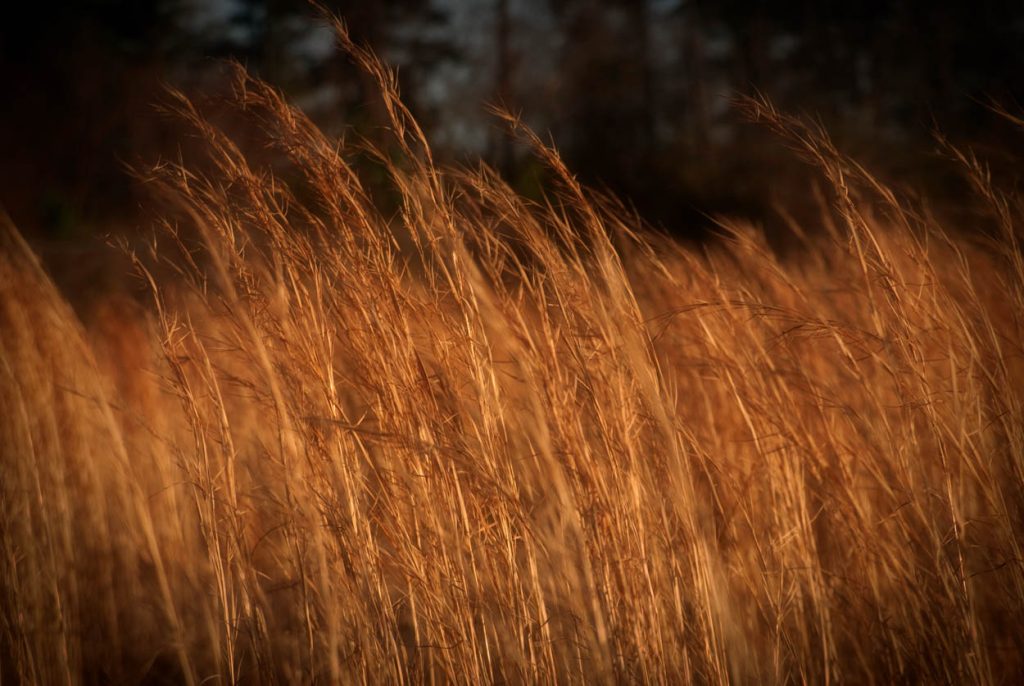
Andropogon virginicus, Broomsedge Bluestem, growing in a native meadow. Available wholesale from Baker Environmental Nursery. Andropogon virginicus – Broomsedge Bluestem is one of the most dependable native grasses for projects that demand erosion control, slope stabilization, and low-input establishment. For landscape contractors, municipalities, and green-industry professionals, this upright perennial bunchgrass delivers where disturbed soils and difficult terrain make other species risky. Baker Environmental Nursery supplies wholesale Andropogon virginicus – Broomsedge Bluestem in production-ready forms, with the project experience needed to support large restoration orders. This article covers the plant’s performance on erosion-prone sites, its tolerance for poor soil and drought, and how wholesale buyers can source it for upcoming projects. Erosion Control on Disturbed Sites Few native grasses respond to disturbed ground as reliably as Andropogon virginicus – Broomsedge Bluestem. On sites where construction, grading, fire, or utility work has stripped away established vegetation, this grass steps in and establishes quickly. It is often described as an invader of disturbed lands, and that aggressive establishment is exactly what makes it valuable for erosion control. Bare soil is vulnerable to runoff, and Broomsedge Bluestem provides fast-growing cover that reduces sediment loss while other species are still getting established. Andropogon virginicus – Broomsedge Bluestem is the primary native meadow grass in the northeast, which means it is well adapted to the region’s climate and growing conditions. It can reach up to about 6 feet in height, giving it the mass needed to intercept rainfall and slow surface flow. For wholesale buyers who work on restoration and land reclamation projects, this dependable establishment is a major advantage. The grass does not need an intensive soil preparation program or a perfect seedbed to perform. Slope Stabilization and Stormwater Management Slopes are among the most difficult areas to vegetate. Water moves quickly, topsoil is thin, and newly planted materials can wash out before they root. Andropogon virginicus – Broomsedge Bluestem is typically used for erosion control, rain gardens, and stormwater management because its growth habit is well suited to these conditions. Its dense root system can help stabilize soil and reduce erosion, holding the slope in place through heavy rain events. In stormwater applications, Broomsedge Bluestem serves a dual role. The roots support infiltration and soil stability, while the upright foliage slows surface runoff and allows sediment to settle. Rain gardens planted with Andropogon virginicus – Broomsedge Bluestem benefit from a grass that handles the fluctuating moisture typical of these systems. The plant turns a golden brown in the fall and maintains good color through the winter, so a slope or basin retains visual structure even in the dormant season. Broomsedge Bluestem displaying its distinctive fluffy white seed heads. Supplied wholesale by Baker Environmental Nursery. Drought Tolerance and Poor-Soil Performance Many commercial sites are not built with rich topsoil in mind. Subsoil, compacted fill, and low-fertility conditions are common challenges on large projects. Andropogon virginicus – Broomsedge Bluestem is naturally adapted to these conditions. It thrives on low pH and low fertility soils, so it performs well where amended soil and repeated fertilizer applications are not part of the maintenance plan. This characteristic also makes it a fit for low-maintenance sites where irrigation is limited. Drought tolerance is another reason this grass is a staple for tough sites. Once established, Andropogon virginicus – Broomsedge Bluestem can persist through dry periods without supplemental water. For project owners looking to reduce long-term maintenance costs, a grass that survives on natural rainfall is a practical choice. One practical result is a lower water budget and fewer replacement plantings over the life of the project. It is also helpful for buyers to understand the pasture context. Andropogon virginicus – Broomsedge Bluestem is considered a pasture weed because it frequently invades improperly managed pasture lands and has low palatability to livestock. That same persistence is an asset in erosion control, but it means the plant should be specified thoughtfully. On managed pasture or hay ground, soil fertility, lime, and grazing management, along with possible summer burning or herbicide, are typically part of a control program. For restoration and low-maintenance sites, however, the grass’s persistence is the whole point. Wildlife Cover and Seasonal Interest Andropogon virginicus – Broomsedge Bluestem is a wildlife-friendly, upright perennial bunchgrass. Its clumping form creates dense cover that ground-nesting birds and small animals use for shelter. In meadow restorations, this grass adds the vertical structure that open-country wildlife need to feel secure. The wildlife value extends into the winter months, when the standing dried foliage continues to provide cover long after other plants have collapsed. The seasonal appearance of Broomsedge Bluestem is another point in its favor. The grass turns a golden brown in the fall and maintains good color through the winter, giving meadows and slopes a warm, natural look. Settlers made brooms from the stems of this grass, which is how the common name Broomsedge Bluestem came to be. That history is a reminder that this is a working grass with a long record of practical use. Broomsedge Bluestem showing its rich copper-orange seasonal color. Available wholesale at Baker Environmental Nursery. Growth Habits That Matter in the Field Understanding the form of Andropogon virginicus – Broomsedge Bluestem helps buyers plan better installations. The grass grows in upright clumps, but the stems do not always stay perfectly vertical. Stems may stay upright, but they often lean, with the upper portion of the plant curving considerably. When they lean, stems may lean in different directions. In a meadow setting, this relaxed form looks natural. On a slope, the leaning habit helps the grass capture and slow runoff as it moves downhill. Because it is a bunchgrass, Andropogon virginicus – Broomsedge Bluestem grows in distinct clumps rather than spreading into a solid mat. This matters for spacing decisions. For erosion control, tighter spacing results in faster coverage. For meadow and habitat plantings, wider spacing lets each clump develop its full form. Wholesale buyers should consider the project’s coverage goals when choosing between plugs and containers. Close-up of
Echinacea purpurea – Purple Coneflower Wholesale for Pollinator Landscapes

Photo by Rami Tayyem on Pexels If you are a landscape contractor, nursery supplier, or green industry professional working on pollinator restoration or commercial landscaping projects, Echinacea purpurea, commonly known as Purple Coneflower, belongs on your plant list. Baker Environmental Nursery offers this native perennial in wholesale quantities, ready to ship for projects of any size. Our stock is grown to the high standards that landscape professionals rely on, and we maintain live inventory so you can order with confidence. Call or email today for a quote, or check our live inventory now to secure plants for your next pollinator landscape. Why Landscape Professionals Choose Baker Environmental Nursery for Echinacea purpurea When you source Purple Coneflower from Baker Environmental Nursery, you get more than plants. You get a wholesale partner who understands the demands of large-scale restoration, commercial landscaping, and ecological project delivery. We specialize in native grasses, sedges, perennials, rushes, and wetland plants, and we serve customers across the United States. Our Echinacea purpurea is grown from wild-type seed stock selected for strong pollinator value and site adaptability. Whether you need 500 plants or 50,000, we have the capacity to ship. Use our plant calculator tool to estimate quantities for your project footprint, then contact our team to place an order. Ready-to-ship stock is available now in any quantity, call or email today. The Power of Purple Coneflower for Pollinator Habitats Echinacea purpurea attracts a wide range of pollinators. Bees are especially drawn to the large, nectar-rich flower heads. Bumblebees, digger bees, leaf-cutting bees, carpenter bees, and honeybees all visit Purple Coneflower during its long bloom season. The flowers also attract butterflies, including monarchs, swallowtails, and fritillaries. Ruby-throated hummingbirds feed on the nectar, and moths, flies, beetles, and wasps make regular appearances. American goldfinches eat the seeds from spent flower heads during late summer and fall, adding year-round wildlife value to the landscape. Beyond adult pollinators, Echinacea purpurea serves as a host plant for the larvae of the Silvery Checkerspot butterfly and several moth species such as the wavy-lined emerald and sunflower moth. This makes it a functional part of the food web, not just an ornamental. For landscape contractors designing pollinator corridors or native habitat improvements, Purple Coneflower delivers proven ecological performance project after project. Whole Echinacea purpurea – Purple Coneflower @ Baker Environmental Nursery Wild-Type vs. Hybrid: Why Straight Species Works Best for Pollinator Projects Landscape professionals who specify Echinacea purpurea should choose wild-type, straight species plants. Wild-type Echinacea purpurea provides significantly higher pollinator value compared to hybrid varieties with unusual colors or double-flowering forms. Hybrids often lack the floral structure and nectar production that native bees and butterflies require. Many hybrids also show reduced vigor and can die during harsh winters, especially in colder zones. At Baker Environmental Nursery, we grow and supply wild-type Echinacea purpurea because we know it performs under real project conditions and supports the full range of pollinators that depend on it. For comparison, other native Echinacea species such as Echinacea pallida and Echinacea tennesseensis also support pollinators. Echinacea tennesseensis has eastward-facing flowers and was once federally endangered before being delisted in 2011. However, Echinacea purpurea remains the most widely adaptable and commercially available species for large-scale pollinator landscapes across the central and eastern United States. If your project specifies a different species, Baker Environmental Nursery can discuss availability and contract growing options. Landscape Specifications and Planting Guidance Echinacea purpurea prefers full sun to partial shade. It is drought tolerant once established and shows excellent deer resistance. The plants tolerate clay soil, juglans from black walnut trees, and dry conditions once rooted. Height ranges from 3 to 4 feet tall, and bloom time runs from early summer to early fall, lasting several weeks. The straight species produces large purple-pink daisy-like flowers with prominent orange-brown central cones. This native perennial is found naturally in prairies, meadows, and open habitats across the central and eastern United States. For commercial landscape installations, proper spacing depends on the desired density and coverage. Baker Environmental Nursery offers a plant calculator tool on our website to help you estimate quantities for both square and triangular planting patterns. When planting in pollinator mixes, Purple Coneflower combines well with other native perennials such as Swamp Milkweed, New England Aster, and Joe-Pye Weed, all available from our inventory. For projects requiring custom specifications, our contract growing service produces plants to your exact size, root mass, and timeline requirements. Echinacea purpurea – Purple Coneflower @ Baker Environmental Nursery for Commercial Wholesale. Beyond Pollinators: Additional Benefits for Commercial Landscapes Purple Coneflower offers practical advantages that matter to landscape contractors and property managers. Deer resistance means less damage and lower replacement costs in suburban and rural projects. Drought tolerance reduces irrigation requirements after establishment, saving water and maintenance labor. The plant also tolerates black walnut toxicity, making it a safe choice for sites near existing walnut trees. Native bees use the dead hollow stems for nesting. When cutting back stems at the end of the season, leave 12 to 24 inches standing to support these beneficial insects through winter. This simple practice aligns with sustainable landscape management and can be communicated as a value-added ecological service for clients. Baker Environmental Nursery supports your project from specification through installation. Our team understands the challenges that landscape professionals face when sourcing native plants at scale. Every order of Echinacea purpurea leaves our nursery ready for field or container planting. We do not compromise on root quality or plant health, because quality starts at the root. Photo by Jeffry Surianto on Pexels Order Your Echinacea purpurea from Baker Environmental Nursery Today Do not wait until spring to secure plants for your pollinator landscapes. Baker Environmental Nursery has Echinacea purpurea in stock and ready to ship in any quantity. Check our live inventory now to confirm availability, then call or email our wholesale team for a quote. If your project requires a different native perennial, grass, sedge, or wetland plant, we have more than 65 species in
Eragrostis spectabilis – Purple Lovegrass Drought Tolerant Landscaping

Eragrostis spectabilis – 1 Gallon Pots – Ready to Ship ASAP from Baker Environmental Nursery Eragrostis spectabilis, commonly known as Purple Lovegrass, is a warm-season bunchgrass native to a broad swath of the United States from Maine to Florida and west to Arizona and North Dakota. Its ornamental reddish-purple to bronzy-red inflorescence appears in mid to late summer, creating a striking haze of color in the landscape. For landscape contractors, municipalities, and green-industry professionals seeking low-maintenance, drought-tolerant options, Purple Lovegrass offers a reliable choice that thrives in challenging dry conditions. Why Purple Lovegrass Belongs in Drought Tolerant Landscapes Water restrictions and shifting climate patterns have made drought tolerance a critical factor in plant selection. Eragrostis spectabilis requires little water once established and performs well in dry, well-drained, sandy or gravelly soils. It is also listed among Piet Oudolf’s 100 Must-Have Plants, a testament to its value in designed landscapes. The grass spreads slowly by rhizomes and self-seeds, gradually filling gaps without becoming aggressive. This combination of drought resistance, low water needs, and manageable spread makes it a prime candidate for sustainable, low-input planting designs. Key Characteristics of Purple Lovegrass Growth Habit and Size Purple Lovegrass is a warm-season bunchgrass that forms clumps of fine-textured foliage. Mature height varies among sources, a detail that buyers should keep in mind when specifying plants. Some sources report the foliage at 6 inches with the inflorescence pushing blooms to about 10 inches. Others describe the plant reaching 8 to 14 inches, while still others state 18 to 24 inches. The variation reflects differences in whether the measurement includes the flower stalks and local growing conditions. In general, expect a low-growing clump that sends up taller, airy flower heads in late summer. Spacing recommendations are limited, but one source suggests 12 inches between plants for mass plantings. Bloom and Seasonal Interest The inflorescence of Eragrostis spectabilis is its main ornamental feature. In mid to late summer, the grass produces a cloud of tiny flowers that can appear reddish-purple, rose-purple, or bronzy-red, depending on soil and clone. This hazy bloom effect softens the landscape and pairs well with other native perennials and grasses. The dried seed heads persist into fall and winter, providing subtle texture and some wildlife value. Foliage should be cut to the ground in early spring before new growth begins. Hardiness Zones Purple Lovegrass is reported across a wide range of USDA hardiness zones, though individual sources disagree on the exact endpoints. The widest reported range spans zones 3 to 11, while other sources list 3-8, 4-10, 4-11, or 6-10. This discrepancy means that landscape professionals should verify performance in their specific region using local extension resources or proven experience. In general, the grass prefers the warmer end of its range but has shown adaptability to cooler climates as well. Eragrostis spectabilis DP-50 Plugs – June 2026 – Ready to Ship! Growing Conditions for Best Performance Sunlight and Soil Full sun is consistently recommended for the best flowering and overall health. Most sources caution that part shade can reduce bloom density and increase floppiness. The plant thrives in dry to average, well-drained soils, particularly sandy or gravelly types. It performs poorly in rich, moist soils with poor drainage. This preference for lean conditions makes it an ideal candidate for hellstrips, roadsides, rain garden berms, and other tough urban sites where soil quality is low. Purple Lovegrass can also grow near black walnut trees, an advantage for landscapes constrained by juglone toxicity. Water and Fertility Needs Once established, Eragrostis spectabilis requires little supplemental water and no fertilizer in sustainable landscapes. This aligns with the goals of low-maintenance and ecologically responsible design. Overwatering or overfertilizing can lead to weak growth and reduced drought tolerance. The grass is also noted for some salt tolerance, broadening its suitability for roadsides and coastal applications. Specific watering frequency is not detailed in available sources, but the general rule for established plants is to water only during prolonged dry periods if at all. Eragrostis spectabilis – Tall and Full Plugs, Ready to Ship! Landscape Applications for Purple Lovegrass Meadows and Mass Plantings The airy, hazy effect of Purple Lovegrass makes it a natural choice for meadow restorations and large-scale mass plantings. When planted in drifts, the combined bloom creates a purple-pink haze that moves in the wind. It pairs well with other drought-tolerant natives such as little bluestem, sideoats grama, and purple coneflower. For contractors working on ecological restoration, this grass provides erosion control on slopes and disturbed sites due to its slow-spreading rhizomes and self-seeding habit. Borders and Groundcover In residential and commercial borders, Purple Lovegrass fills the front or middle of the bed with fine texture. Its low-growing foliage forms an attractive groundcover that suppresses weeds once established. The self-seeding nature means that over time the planting will thicken, but it can be managed by mulching or mechanical removal of unwanted seedlings. For formal designs, spacing the plants at 12 inches ensures a solid matrix. Lawn Alternatives and Hellstrips For clients seeking to reduce turf area, Purple Lovegrass can be used as a lawn alternative in low-traffic zones. Its bunchgrass habit means it does not form a uniform sod, but a matrix of clumps that accept foot traffic occasionally. It is especially well-suited for hellstrips, the narrow planting strip between sidewalk and street, where soil is often dry and compacted. The grass’s drought tolerance, salt tolerance, and deer resistance make it a low-maintenance option for these difficult spaces. Containers and Green Roofs Purple Lovegrass can also serve as a filler plant in decorative containers, adding texture and seasonal color. Its shallow root system adapts to smaller volumes, and its drought tolerance reduces watering frequency. Additionally, it is suitable for green roof applications, where weight and water are limited. The grass’s ability to thrive in shallow, well-drained media makes it a practical choice for extensive green roof systems. Maintenance and Care The low-maintenance reputation of Eragrostis spectabilis is well earned. It requires no fertilizer and minimal water after
Baker Environmental Nursery at Southeast Green 2026 Booth 219 – Native Plant Exhibit

Visit Baker Environmental Nursery at Southeast Green 2026 – Booth #219 Baker Environmental Nursery is proud to announce that we will be exhibiting at Southeast Green 2026, taking place June 9–11, 2026, at The Classic Center in Athens, Georgia. As one of the Southeast’s trusted wholesale suppliers of native grasses, sedges, perennials, rushes, and wetland plants, we invite landscape contractors, municipalities, garden centers, landscape architects, engineers, restoration professionals, and wholesale buyers to visit us at Booth #219 and learn how native plant solutions can enhance projects of every size. This year’s show is a great opportunity to meet “The Grass Man,” Doug Baker, owner of Baker Environmental Nursery and a long-time advocate for the use of native plants in sustainable landscapes. Doug will be available throughout the event to discuss plant selection, project planning, species performance, and sourcing strategies for everything from commercial developments and municipal plantings to ecological restoration and stormwater management projects. Whether you’re looking for a specific species or planning a large-scale installation, we’re ready to help you find the right plant material for the job. At Baker Environmental Nursery, we specialize in growing high-quality native plants that thrive throughout the Southeast. Our inventory includes an extensive selection of native grasses and sedges that provide beauty, durability, wildlife value, and environmental benefits. Popular grasses such as Big Bluestem (Andropogon gerardii), Bushy Bluestem (Andropogon glomeratus), Switchgrass (Panicum virgatum), and Feather Reed Grass (Calamagrostis acutiflora) are widely used for erosion control, pollinator habitat, naturalized landscapes, and green infrastructure projects. Our diverse collection of Carex species offers solutions for everything from wetland edges and rain gardens to woodland plantings and commercial landscape applications. In addition to grasses and sedges, Baker Environmental Nursery offers a broad selection of native perennials that provide season-long color and ecological value. Species such as Purple Coneflower (Echinacea purpurea), Swamp Milkweed (Asclepias incarnata), New England Aster (Symphyotrichum novae-angliae), Joe-Pye Weed (Eutrochium purpureum), and Blazing Star (Liatris spicata) help support pollinators while creating attractive and resilient landscapes. These plants are commonly specified for commercial developments, municipal beautification projects, habitat restoration efforts, and native landscape installations throughout the region. For stormwater management, shoreline stabilization, and wetland restoration projects, we also grow a variety of wetland and aquatic species. Plants such as Soft Rush (Juncus effusus), Pickerelweed (Pontederia cordata), Lizard’s Tail (Saururus cernuus), and Horsetail (Equisetum hyemale) are frequently used in bio-retention basins, constructed wetlands, detention ponds, stream restoration projects, and other green infrastructure applications. These species not only provide functional environmental benefits but also contribute to healthier ecosystems and improved water quality. One of the advantages of working with Baker Environmental Nursery is our commitment to serving the professional green industry. We are a wholesale nursery focused on supporting contractors, municipalities, re-wholesalers, garden centers, landscape architects, engineers, and restoration professionals. Our team understands the challenges of sourcing plant material for large-scale projects and works closely with customers to ensure they receive healthy, dependable plants that meet project specifications and timelines. Visitors to Booth #219 can also learn more about our contract growing program, which allows customers to secure plant material grown specifically for future projects. Contract growing provides a dependable solution for projects that require large quantities, specialized species selections, or long-term planning. Whether you need hundreds of plants or thousands, our team can help develop a growing plan tailored to your project’s schedule and requirements. As native plants continue to play a larger role in commercial landscaping, stormwater management, ecological restoration, and sustainable development, selecting the right supplier has never been more important. Baker Environmental Nursery is committed to helping industry professionals succeed by providing exceptional plant quality, knowledgeable support, and reliable availability. Our goal is to be more than just a supplier; we strive to be a trusted partner in every project we support. If you’re attending Southeast Green 2026, make plans to visit Booth #219 and meet “The Grass Man,” Doug Baker. Bring your project plans, species lists, questions, and ideas. We’d love the opportunity to discuss your upcoming projects and show you why Baker Environmental Nursery has become a trusted source for native grasses, native sedges, native perennials, wetland plants, restoration plants, and contract-grown plant material throughout the Southeast and beyond. We look forward to seeing you in Athens on June 9–11, 2026. Stop by Booth #219 and discover how Baker Environmental Nursery can help your next project grow from the ground up. Frequently Asked Questions Who should visit Baker Environmental Nursery at Booth 219? The booth is designed for landscape contractors, garden center buyers, municipal staff, landscape architects, project managers, and any green industry professional who needs native grasses, sedges, perennials, or wetland plants. Doug Baker and his team specialize in wholesale B2B supply, so all visitors must be industry professionals. The event is not open to the general public. Can I discuss a specific project at Booth 219? Yes. Baker Environmental Nursery encourages attendees to bring project plans, species lists, or questions about establishment techniques. The team can provide recommendations on plant selection, spacing, and sourcing. For large-scale needs, the contract growing service can produce plants to your exact specifications, including container size and delivery timeline. Does Baker Environmental Nursery carry only native species? The nursery’s catalog focuses on native grasses, sedges, perennials, rushes, and wetland plants. All species listed on the website include Latin names and detailed growing information. The product line is designed for ecological restoration, green infrastructure, stormwater management, and commercial landscaping throughout the United States. How can I prepare for a visit to Booth 219? Review the Baker Environmental Nursery website to familiarize yourself with available species and their requirements. Use the plant calculator tool to estimate quantities for your project. Bring a list of target species, project dimensions, and any site conditions such as soil type and moisture regime. This preparation will make your booth visit more productive. What if I cannot attend Southeast Green 2026? Baker Environmental Nursery serves customers across the U.S. year-round through phone and email orders. The contract growing service remains available